
Branded Bicycle Water Bottle and Holder Sets: The Ultimate Guide for Businesses
Discover how to brand bicycle water bottles and holders for corporate events, team gifts, and promotions. Expert tips for Australian businesses.

Written by
Callum Drake
Drinkware
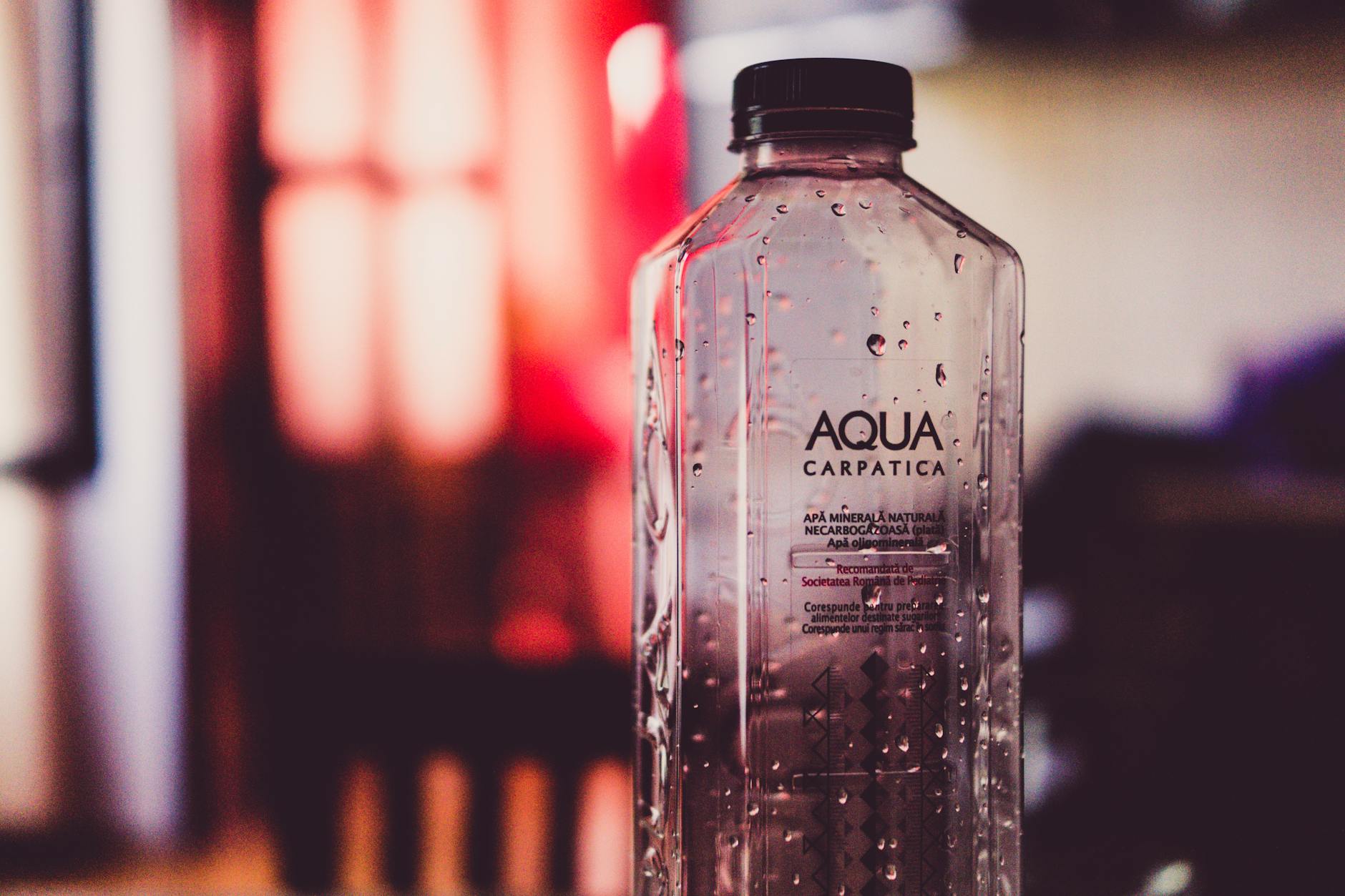
Cycling culture has exploded across Australia in recent years, and with it, the demand for practical, high-quality branded merchandise that fits the lifestyle. Whether you’re organising a corporate wellness initiative in Melbourne, running a charity ride in Brisbane, or kitting out your team for an upcoming event on the Gold Coast, a branded bicycle water bottle and holder set is one of the smartest, most visible promotional products you can invest in. These aren’t just functional accessories — they’re moving billboards that go wherever your rider goes. And when done right, they deliver lasting brand impressions long after the event wraps up.
Why a Bicycle Water Bottle and Holder Makes a Winning Promotional Product
There’s a reason drinkware consistently ranks among the top-performing categories in branded merchandise. People use it every day. But a bicycle-specific water bottle and cage (the holder that mounts to the bike frame) takes that everyday utility and amplifies it significantly.
Think about visibility. A branded bottle sitting in a cage on someone’s bike gets seen by everyone on the bike path, at the café stop, at the Saturday morning market. In Sydney alone, more than 100,000 people commute by bike regularly, and that number grows every year. Your logo — printed clearly on a quality squeeze bottle or insulated cycling bottle — travels with them through every suburb they pass through.
Beyond visibility, there’s the perceived value angle. A well-designed bottle-and-holder combination feels like a premium gift. It shows thoughtfulness. It signals that your brand understands its audience. For corporate wellness programs, cycling events, or health-focused brand activations, this kind of relevance goes a long way in building genuine connection.
What Makes a Cycling Water Bottle Different From Standard Drinkware?
Not all water bottles are created equal, and it’s worth understanding what separates a cycling-specific bottle from your typical office mug or reusable drink bottle. Here’s what to look for:
- Squeeze functionality: Cyclists need to drink on the move, so bottles with a soft, squeezable body and a pull-top or push-pull valve are essential.
- Standard sizing: Most bike cages are designed for 500ml–750ml bottles. Staying within this range ensures your bottles actually fit the holders you’re supplying.
- Spill-resistant nozzles: Self-sealing valves prevent leaks when the bottle is upside-down or jostled.
- BPA-free materials: This is non-negotiable for modern branded drinkware, and worth calling out in your marketing.
- Wide base compatibility: For cage mounting, the bottle needs a consistent circular base diameter — typically around 74mm.
If you’re ordering branded holders separately, look for lightweight aluminium or polypropylene cages that mount with standard bolts to most road and mountain bike frames. Many suppliers offer these as a set, which simplifies the ordering process enormously.
Decoration Methods for a Branded Bicycle Water Bottle and Holder
Getting your branding right is where a lot of organisations trip up. Choosing the wrong decoration method can result in faded logos, peeling print, or artwork that simply doesn’t hold up to the wear and tear of regular cycling use. Let’s break down the best options.
Screen Printing
Screen printing is the most common method for branding plastic cycling bottles. It produces vibrant, durable results and is highly cost-effective at larger quantities. If you’re ordering 200 bottles for a Perth cycling event or 500 units for a corporate merchandise pack, screen printing gives you excellent colour consistency and a clean finish.
The key consideration is colour registration. Most standard screen printing setups handle one to four spot colours well. If your logo has complex gradients or many colours, you’ll want to discuss options with your supplier. For more detail on choosing the right method, check out our guide to screen printing vs embroidery for branded merchandise.
Pad Printing
Pad printing is ideal for smaller runs or bottles where the print area has a curved surface. It delivers a precise, detailed print and works well on BPA-free plastic in the 74mm range. If you’re ordering under 100 units — say, for a Sydney corporate leadership team — pad printing is a practical and affordable option.
Sublimation
Full-wrap sublimation gives you edge-to-edge colour coverage across the entire bottle surface. This is the premium option for maximum visual impact. It works especially well on white or light-coloured polyester-blend bottles and is increasingly popular for cycling events where you want bold, eye-catching designs. Keep in mind sublimation typically requires a white or light base and works best with full-colour artwork.
Laser Engraving
For metal or aluminium holders, laser engraving creates a sophisticated, permanent brand mark. It’s a great option if you want a sleek, understated look on the cage itself — particularly for premium corporate gifting or ambassador kits.
To explore which decoration approach suits your project, our overview of popular decoration methods for promotional products covers the full range in detail.
Practical Ordering Tips: MOQs, Timelines, and Budget
If you’re new to ordering branded cycling drinkware, there are a few practical realities to factor into your planning.
Minimum Order Quantities
Most standard bicycle water bottle and holder sets have a minimum order quantity (MOQ) of around 50–100 units, though this varies by supplier and decoration complexity. For screen-printed bottles in one or two colours, MOQs can sometimes be as low as 25–50 units. If you need smaller quantities — for a VIP gift box or a limited run for key clients — expect to pay a slight premium per unit, or explore suppliers who cater specifically to small runs.
Turnaround Times
Standard turnaround for branded cycling bottles is typically 10–15 business days from artwork approval. If you need a rush order — perhaps for a last-minute event or a corporate wellness launch — many suppliers offer expedited production for an additional fee. Always build in buffer time when working with hard event deadlines. Ordering 15–20% additional units above your confirmed requirement is also good practice to account for extras and future use.
Budgeting
For a basic branded bicycle water bottle and holder set (both items), budget anywhere from $8–$18 per unit depending on bottle quality, decoration method, quantity, and setup fees. Setup fees typically range from $50–$100 per colour, per screen. As quantities increase, the per-unit cost drops significantly — ordering 500 units versus 100 units can often halve your per-unit cost.
For a more detailed breakdown, our guide to budgeting for branded drinkware walks through what to expect at various quantity tiers.
Use Cases: Who Should Consider Branded Cycling Merchandise?
The bicycle water bottle and holder combination isn’t just for cycling clubs. Across Australia, a wide range of organisations are finding creative ways to use these products effectively.
Corporate wellness programs: A Brisbane-based professional services firm running a “Ride to Work” initiative can supply all participants with a co-branded bottle and cage kit — reinforcing internal culture while promoting health and sustainability.
Charity and fundraising events: Charity rides like 100km+ events across regional Victoria or coastal Queensland are perfect occasions to supply participants with branded merchandise. It creates community identity and gives every rider a functional keepsake.
Conference and event packs: For a health or fitness industry conference in Adelaide or Sydney, a cycling bottle and cage in a well-designed conference bag makes for a genuinely useful and on-brand attendee gift.
Real estate and local business promotions: A Perth real estate agency could send branded bottle-and-cage sets to new clients as a premium welcome gift — practical, memorable, and far more likely to stay in use than a branded pen.
Sporting clubs and associations: Cycling clubs, triathlon clubs, and sports associations across Canberra, Hobart, and Darwin regularly order branded merchandise for members and competitors. A matching bottle and cage set is a natural fit. For more ideas, our article on branded merchandise for sporting clubs is a great starting point.
Eco-Friendly Options Worth Considering
Sustainability is increasingly important to Australian businesses and their audiences. Fortunately, there are solid eco-conscious options in the cycling bottle space. Look for bottles made from recycled plastics, plant-based materials, or certified BPA-free, food-grade plastics. Some suppliers offer bottles with recycled content labelling, which makes for a great talking point in your marketing.
Pairing an eco-friendly bottle with an aluminium cage — which is lightweight, durable, and infinitely recyclable — creates a genuinely sustainable merchandise set. If sustainability aligns with your brand values, our guide to eco-friendly promotional products outlines what to look for and questions to ask your supplier.
Artwork and Proof Approval: Getting It Right
A clean, well-prepared artwork file makes a significant difference to your end result. For screen-printed cycling bottles, supply vector artwork (AI or EPS format) at the correct spot colours in PMS codes. Avoid raster images and photographs unless you’re going with sublimation.
Ask for a digital proof before approving production. This shows exactly how your logo will be positioned, scaled, and printed on the bottle. Check the proof carefully for colour accuracy, text legibility at size, and overall placement. Most suppliers provide one to two rounds of proof revisions as standard. You can read more about preparing artwork in our guide to artwork requirements for promotional products.
Conclusion: Key Takeaways for Ordering Branded Cycling Drinkware
A branded bicycle water bottle and holder set is a versatile, practical, and highly visible promotional product that works across a wide range of Australian businesses, events, and organisations. Here’s a summary of the key things to keep in mind:
- Match bottle sizing to cage dimensions — standard 500ml–750ml bottles with a ~74mm base diameter fit most commercial cycling cages without issue.
- Choose your decoration method based on quantity, colour, and finish goals — screen printing suits bulk orders, sublimation delivers full-colour impact, and laser engraving elevates metal holders.
- Plan your timeline — allow 10–15 business days minimum from artwork approval, and always build in buffer time before your event date.
- Budget realistically — set and cage combinations typically range from $8–$18 per unit; larger quantities bring the cost down significantly.
- Think beyond the obvious use case — cycling bottles work brilliantly for wellness programs, charity events, corporate gifting, conference packs, and sporting clubs, not just cycling organisations.
Done well, a branded cycling bottle and holder set is the kind of merchandise that earns genuine daily use — and with it, consistent brand visibility that far outlasts its modest cost.