
How to Work With Cap Designers to Create the Perfect Custom Branded Cap
Discover how to work with cap designers to create standout custom branded caps for your business, team, or event in Australia.

Written by
Ryan Gallagher
Custom Apparel
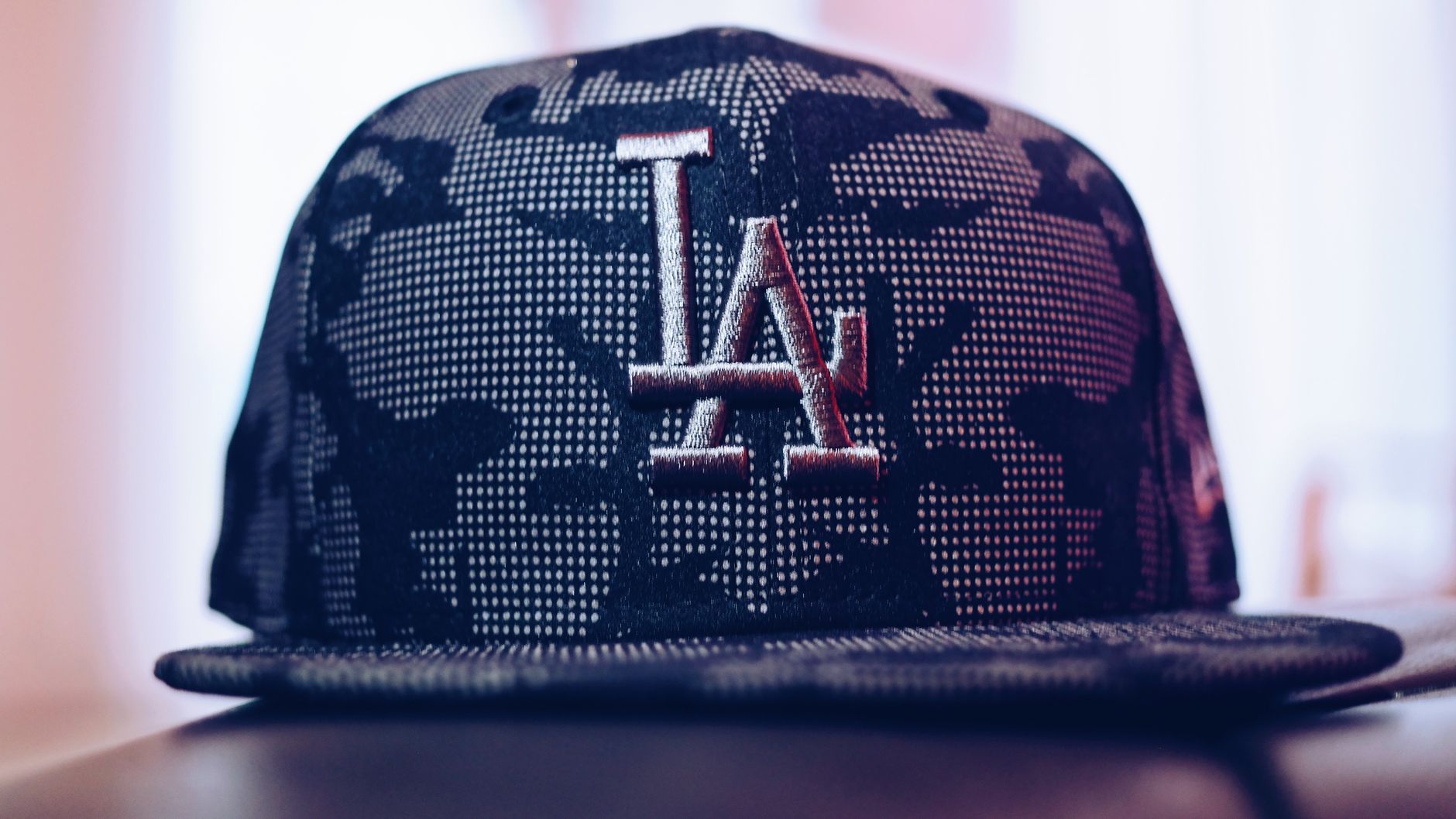
Whether you’re outfitting a corporate team for an outdoor conference in Brisbane, kitting out a sporting club in Adelaide, or sourcing branded headwear for a trade show on the Gold Coast, getting your caps right matters more than you might think. A well-designed custom cap is one of the most versatile and consistently worn branded items in the promotional products world — it travels with your audience, gets seen in public spaces, and delivers ongoing brand impressions long after the event or campaign has wrapped up. But achieving a great result starts well before production. It starts with understanding how to work effectively with cap designers.
What Cap Designers Actually Do (And Why It Matters)
The term “cap designer” covers a broader scope than many people realise. At its core, a cap designer is responsible for translating your brand identity — your logo, colours, messaging, and aesthetic — into a functional, wearable artwork file that suits the specific decoration method and cap style you’ve chosen. This isn’t simply dropping a logo onto a template. Experienced cap designers understand how different decoration techniques interact with different cap fabrics, panels, and profiles.
For example, a six-panel structured cap with a flat brim will present embroidery very differently to a five-panel unstructured cap with a curved brim. The curvature of the front panel, the stiffness of the buckram backing, and even the thread tension during stitching all influence how your design ultimately looks when worn. A skilled cap designer accounts for all of this before the job goes to production.
Beyond the technical side, cap designers also help ensure your artwork meets the specific requirements of the chosen decoration method — whether that’s embroidery digitising, screen printing, sublimation, heat transfer, or embossed patches. If you’re new to this side of branded merchandise, our guide to understanding thread count for embroidery on promotional apparel is a great starting point for understanding how decoration quality is influenced by artwork preparation.
Choosing the Right Cap Style Before You Brief Your Designer
One of the most common mistakes organisations make is approaching cap designers without a clear idea of the style they want. This leads to revisions, delays, and sometimes artwork that simply doesn’t suit the final product. Before you begin the design process, spend some time considering what type of cap best fits your use case.
Structured vs. Unstructured Caps
Structured caps feature a stiffened front panel that holds its shape. These are well-suited to bold embroidered logos and look sharp in corporate or promotional settings. Unstructured caps have a softer, more relaxed profile — popular with lifestyle brands, creative agencies, and younger audiences.
Snapback, Flexfit, or Adjustable Buckle
The closure type affects both the aesthetic and fit of your cap. Snapbacks give a classic streetwear feel, Flexfit caps offer a cleaner look with stretch-fit comfort, and adjustable buckle closures provide a premium, traditional finish. Your cap designer will need to know the closure type, as it can influence how the back of the cap is handled in the overall design.
Five-Panel, Six-Panel, and Trucker Styles
Six-panel caps are the most common for branded merchandise. Five-panel caps have become popular with creative and lifestyle-oriented organisations. Trucker caps — with their mesh back panels — work well for outdoor events, agriculture-related organisations, and trades businesses across Queensland, Western Australia, and the Northern Territory. If you’re sourcing branded caps alongside other seasonal items, it’s worth checking out our overview of winter branded apparel for cold weather promotions to see how headwear fits into a broader apparel strategy.
How to Brief Cap Designers Effectively
A strong creative brief saves everyone time. When you approach cap designers — whether they’re in-house at your supplier or working as a freelance specialist — the more information you provide upfront, the better your outcome will be.
Key Elements to Include in Your Cap Design Brief
- Logo files: Provide vector files (AI, EPS, or SVG format) wherever possible. High-resolution PNGs are acceptable but may require redrawing for embroidery digitising.
- Brand colours: Specify your PMS (Pantone Matching System) codes if you have them. For embroidery, your designer will match thread colours as closely as possible to your brand palette.
- Cap style and colour: Confirm the cap style, fabric, and base colour before briefing your designer.
- Decoration method: Let your designer know whether you’re planning embroidery, screen printing, sublimation, or another method. Each has different artwork requirements.
- Placement: Front centre is the most common placement, but many organisations also include side embroidery, back text, or underbrim printing. Specify all placement requirements upfront.
- Quantity and budget: While cap designers focus on the artwork, knowing your order volume helps them advise on what decoration methods are cost-effective at your scale.
For smaller organisations thinking carefully about budget, it’s also worth considering how your cap investment fits alongside other promotional items. Our resource on selecting the right promotional product for your target audience can help you prioritise spend across your campaign.
Decoration Methods and How They Influence Design Decisions
The relationship between decoration method and design is central to how cap designers approach their work. Here’s a breakdown of the most common techniques used on custom caps in Australia.
Embroidery
Embroidery is the most popular decoration method for caps, particularly for corporate and sporting applications. It offers a premium, tactile finish that holds up well over time. However, embroidery does have limitations — very fine details, small text, and gradients don’t translate well into thread. Experienced cap designers simplify artwork appropriately to ensure it embroiders cleanly. If you’re also ordering embroidered polo shirts for your team, our article on sublimation polo shirts covers how sublimation can be a strong alternative for designs with more colour complexity. You might also want to explore our guide on work shirt polo options to coordinate your headwear with your team’s full uniform.
Screen Printing
Screen printing on caps is typically applied to flat panels before the cap is assembled, or occasionally to the front panel of an assembled cap. It works well for bold, flat-colour designs and is generally more cost-effective at higher volumes. For context on how screen printing applies to other promotional products, see our post on screen printing on custom pens in Australia.
Sublimation
Full sublimation printing allows for unlimited colour and photographic-quality designs across the entire cap. This method is particularly popular for sporting clubs in Melbourne, Perth, and Sydney who want a truly unique, all-over design. However, sublimation requires 100% polyester fabric and works best on lighter base colours.
Patches and Heat Transfer
Embroidered or woven patches offer a premium alternative to direct embroidery — they can be produced separately and then attached to the cap, allowing for more intricate detail. Heat transfer labels and vinyl applications are also used, particularly for campaign-specific caps with detailed artwork.
Timelines, MOQs, and What to Expect From the Process
Understanding the production process helps you plan your cap order effectively and avoid last-minute stress.
Most custom cap orders in Australia have a minimum order quantity (MOQ) of between 12 and 50 units, depending on the supplier and decoration method. Embroidered caps often have lower MOQs than fully sublimated styles. Turnaround times typically range from 10 to 20 business days after artwork approval, though rush production is sometimes available for an additional fee.
The proof approval stage is critical. Once your cap designer has prepared the artwork, you’ll receive a digital proof — sometimes a physical sample for larger orders. Review this carefully before approving. Check that your logo is correctly sized, your colours are as expected, and all placement is accurate. Never rush this stage.
If you’re coordinating caps as part of a larger branded merchandise order — perhaps alongside custom promotional notebooks, reusable water bottles, or promotional cups for a conference — make sure all items are briefed and approved on a realistic shared timeline. You might also consider complementary items like USB promotional flash drives for a tech-savvy event pack, or promotional phone stands to round out your delegate gift set.
Budgeting for Custom Caps in 2026
Custom cap pricing in Australia varies based on style, fabric quality, decoration complexity, and order volume. As a general guide, embroidered caps for corporate use typically range from $12 to $35 per unit at standard quantities. Premium structured caps with multiple embroidery placements or patch detailing sit toward the higher end of that range.
Setup fees for embroidery digitising — the process of converting your artwork into a machine-readable stitch file — are usually a one-off cost charged per design. This is worth factoring into your budget upfront. Once your digitised file is created, it can be reused for future orders.
If you’re sourcing caps for a corporate team alongside other gifts, our post on premium corporate gifts in Adelaide offers useful context on how to build a cohesive gifting strategy, and winter branded gifts for employees explores how headwear fits into seasonal employee gifting programmes.
Conclusion: Key Takeaways for Working With Cap Designers
Getting the most from your custom cap project comes down to preparation, communication, and understanding the process. Here’s a summary of the most important points to keep in mind:
- Brief your cap designers thoroughly — provide vector logo files, PMS colour codes, cap style details, decoration method preferences, and all placement requirements upfront to avoid costly revisions.
- Choose your cap style before briefing — the type of cap (structured vs. unstructured, six-panel vs. trucker) directly influences how your design should be prepared and presented.
- Match your decoration method to your design — embroidery suits simpler, bold designs; sublimation suits complex, full-colour artwork; patches offer premium detail with a tactile finish.
- Allow adequate turnaround time — build 15–20 business days into your project timeline after artwork approval, and factor in proof review time to avoid rushing production.
- Think holistically about your branded merchandise — custom caps work best as part of a coordinated brand strategy, paired thoughtfully with other promotional items to create a cohesive, professional impression.
When you invest the time to work collaboratively with skilled cap designers and approach the process with a clear brief, the result is a branded cap your team, customers, or event attendees will actually want to wear — and that’s exactly when branded merchandise delivers its greatest value.