
Corporate Merchandising in Australia: A Complete Guide for Businesses and Teams
Learn how to build a smart corporate merchandising strategy in Australia — from product selection to budgeting, decoration methods, and branding tips.

Written by
Daniel Voss
Corporate Gifts
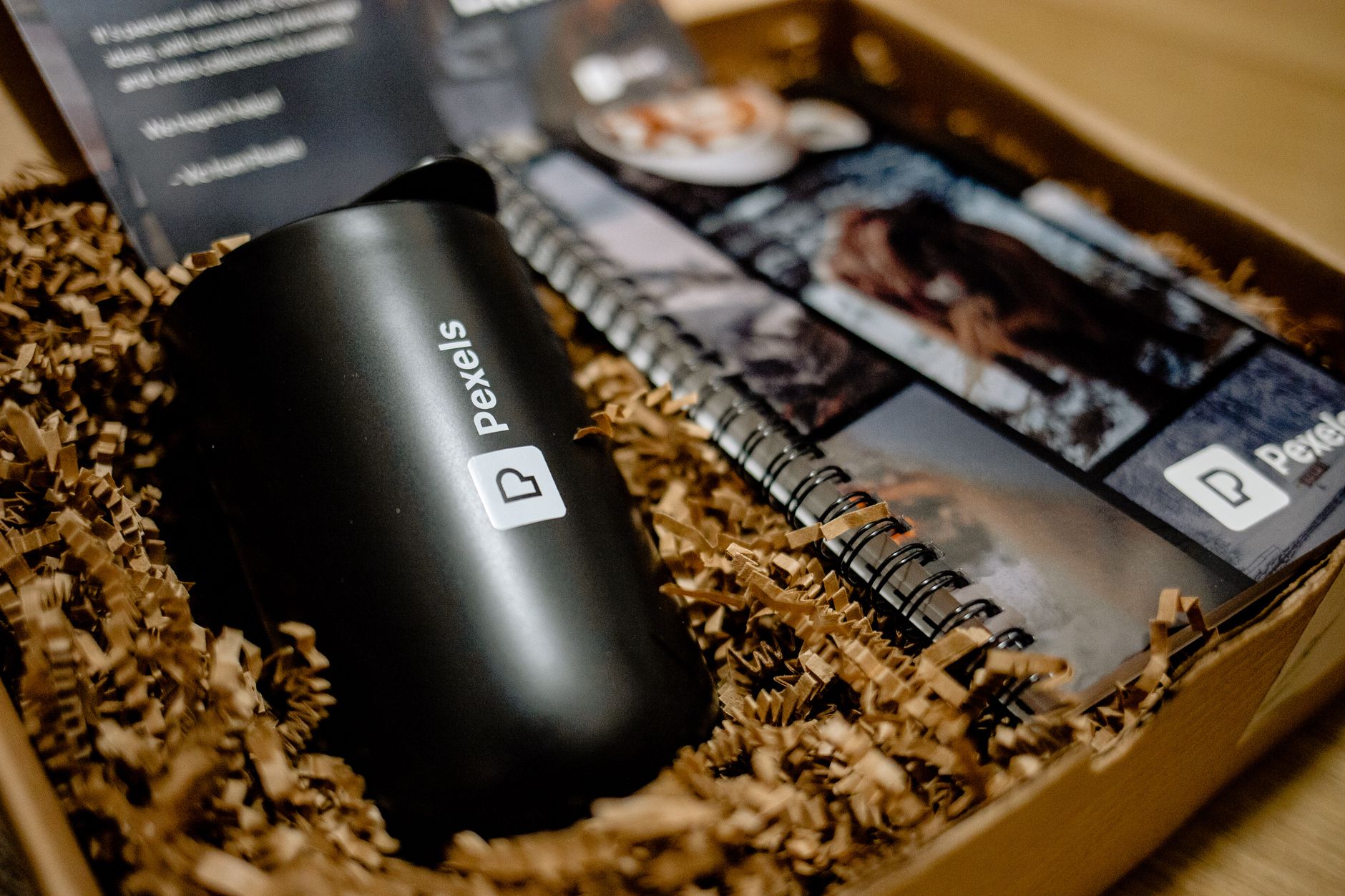
Corporate merchandising is one of the most powerful — yet frequently underestimated — tools in a business’s branding arsenal. Whether you’re a Sydney-based financial services firm looking to impress clients at a product launch, a Melbourne tech company kitting out a growing team, or a Brisbane event organiser pulling together branded collateral for a major conference, the products you put your logo on say a great deal about who you are. Done well, corporate merch builds loyalty, strengthens brand recognition, and creates tangible touchpoints that digital marketing simply can’t replicate. Done poorly, it wastes budget and lands in a bin before the event is even over. This guide will help you do it well.
What Is Corporate Merchandising and Why Does It Matter?
At its core, corporate merchandising refers to the strategic use of branded products to represent, promote, and reinforce a company’s identity. It spans everything from custom polo shirts worn by staff at trade shows to premium engraved gift sets sent to key clients at the end of the financial year. It includes conference bags handed out at an Adelaide summit, branded keep cups used daily in a Canberra government office, and eco-friendly tote bags distributed at a Perth sustainability expo.
What makes corporate merchandising so effective is its physicality. Unlike a social media post that disappears from a feed within hours, a high-quality branded product sticks around. It sits on a desk. It gets carried to the gym. It gets used at home. Every time someone picks up that product, your brand gets an impression — often in front of others, too.
Research consistently shows that promotional products generate strong brand recall and positive sentiment, particularly when the product is genuinely useful to the recipient. That word — useful — is the cornerstone of any smart corporate merchandising strategy.
Building a Corporate Merchandising Strategy That Works
Before you order anything, it pays to think strategically. The businesses that get the most value from corporate merch are those that approach it with a clear purpose, a defined audience, and a realistic budget.
Define Your Objective
Ask yourself: what is this merch meant to achieve? Common objectives include:
- Brand awareness — getting your logo in front of new audiences at events or through client gifting
- Staff engagement and retention — building team culture with quality branded workwear or employee welcome kits
- Lead generation — offering useful giveaways at trade shows to attract prospects
- Client retention — sending thoughtful gifts to top-tier clients to reinforce the relationship
- Event activation — creating a cohesive branded experience at a conference, product launch, or sporting event
Each objective will point you toward different product categories, quantities, and quality tiers. A lead generation giveaway at a Gold Coast expo might call for 500 branded pens at a modest price point, while a premium client gifting campaign might involve 50 beautifully packaged gift hampers.
Know Your Audience
This is arguably the most important step. A product that resonates with a 25-year-old marketing professional in Melbourne may fall completely flat with a 55-year-old construction site manager in Darwin. Understanding the lifestyle, values, and daily routines of your target recipients is essential for choosing products that will actually be used and appreciated. Our guide on selecting the right promotional product for your target audience is an excellent starting point for this process.
Set a Realistic Budget
Budget planning for corporate merchandising involves more than just the per-unit cost of a product. Factor in:
- Setup fees — most decoration methods involve a one-off setup or screen charge, typically ranging from $30 to $100+ per colour or position
- Samples — always worth requesting before committing to a large order
- Freight — particularly relevant for bulky items or tight deadlines requiring express delivery across states
- Storage — if you’re ordering in bulk and need to fulfil over time, consider whether you have the space
Bulk pricing tiers mean the per-unit cost drops significantly as quantities increase. Ordering 500 units instead of 100 can often reduce the unit price by 30–50%, which matters enormously at scale.
Choosing the Right Products for Your Corporate Merch Programme
With a clear objective and audience in mind, it’s time to get into product selection. Here’s a category-by-category breakdown of the most popular and effective options in the Australian market.
Apparel and Workwear
Branded apparel remains one of the top-performing categories in corporate merchandising. Custom polo shirts, in particular, are a staple — ideal for everything from staff uniforms to conference volunteers. When it comes to decoration, embroidery tends to be the go-to for corporate apparel due to its professional, durable finish. It’s worth understanding thread count and its impact on embroidery quality on promotional apparel before placing a large uniform order.
For teams working in outdoor or physical environments, sublimation polo shirts offer vibrant, all-over colour that holds up through repeated washing — perfect for sports associations, field teams, or event staff. During the cooler months, winter branded apparel such as fleece jackets, beanies, and softshell vests become particularly popular for corporate gifting and team wear alike. Similarly, a well-executed work shirt or polo programme can unify a corporate team and elevate brand presence at any external-facing event.
Stationery and Office Essentials
Stationery has impressive staying power in office environments. Branded notebooks, pens, and desk accessories are used daily, which means daily brand impressions. A personalised A5 notebook is a perennially popular choice for conference delegate bags, client gifts, and new employee welcome kits — practical, professional, and appreciated across virtually every industry. For a deeper dive into the category, explore our guide to promotional custom notebooks.
Branded pens are another staple. They have low MOQs, a wide range of price points, and broad appeal. Understanding your decoration options matters here — screen printing on custom pens delivers crisp, detailed logos and is one of the most cost-effective approaches for high-volume orders.
Tech Accessories
Tech merch has surged in popularity because it addresses genuine modern needs. USB promotional flash drives remain useful giveaways in industries where file sharing is routine. Promotional phone stands are another fast-growing category — simple, cost-effective, and used constantly on desks and in meetings. For professionals who travel or work remotely, promotional cable organisers are a thoughtful, practical addition to any corporate gift bundle.
Eco-Friendly and Sustainable Options
Sustainability is no longer a niche preference — it’s an expectation, particularly in corporate environments where ESG commitments are increasingly front of mind. Eco-friendly merchandise demonstrates values alignment and is well-received by environmentally conscious recipients. Recycled rubber keyrings are a surprisingly effective and sustainable option for event giveaways, while sustainable corporate gift hampers make an excellent impression during the Christmas gifting season.
Decoration Methods: Matching the Technique to the Product
Choosing the right decoration method is just as important as choosing the right product. The most common options in Australian corporate merchandising include:
- Embroidery — ideal for apparel, caps, and bags; delivers a premium, durable finish
- Screen printing — cost-effective for high-volume orders on flat surfaces; great for t-shirts and tote bags
- Pad printing — suited to small, curved, or irregular surfaces like pens and keyrings
- Laser engraving — perfect for premium items like metal pens, drinkware, and awards; creates an elegant, permanent finish
- Sublimation — enables full-colour, all-over printing; ideal for polyester apparel and ceramic mugs
- Digital printing — low setup costs, suitable for short runs and photographic or multi-colour designs
If you’re ordering personalised engraved pens for recognition ceremonies, for example, laser engraving is the obvious choice for that refined, professional look.
Seasonal and Occasion-Based Corporate Merchandising
Timing plays a surprisingly large role in corporate merchandising effectiveness. Products that feel relevant to the season or occasion generate more positive responses.
In summer, items like branded sunscreen (particularly relevant for health and wellness-focused organisations — see our guide to promotional sunscreen for fitness centres), cooler bags, and drinkware perform well. Heading into winter, employee gifting programmes benefit from cosy, warmth-focused items. Our post on winter branded gifts for employees outlines some of the most effective options for colder months.
For Christmas and end-of-year gifting, premium hampers and gift sets are always well-received. Think locally sourced, artisanal touches — such as personalised artisan bread mixes — that elevate a corporate gift beyond the predictable and make a genuine impression.
Practical Tips for Managing a Corporate Merch Order
Here are some operational tips that will save you time, money, and stress:
- Order samples first. Always request a physical sample before approving a large run, particularly for apparel and premium items.
- Prepare artwork correctly. Supply vector files (AI or EPS) where possible. RGB artwork needs converting to CMYK or PMS for accurate colour matching.
- Allow adequate lead time. Standard turnaround is typically 10–15 business days from proof approval. If your event has a hard deadline, factor in freight time and build in buffer.
- Consolidate orders. Bundling multiple product lines into a single order with one supplier can reduce freight costs and simplify administration.
- Think about packaging. Presentation matters enormously for client-facing gifts. Asking about branded packaging options, tissue wrap, or gift boxes can significantly elevate the unboxing experience.
Working with promotional product experts who understand your industry and can guide you through product selection, artwork setup, and logistics is often the most efficient path to a successful corporate merch programme.
Conclusion: Making Corporate Merchandising Work for Your Business
Corporate merchandising, when approached strategically, delivers measurable returns — from stronger brand recall to improved staff morale and deeper client relationships. The key is to move beyond the transactional mindset of “we need pens for the expo” and think instead about what your branded products communicate, to whom, and in what context.
Key takeaways:
- Define your objective first — the right product always flows from a clear goal
- Know your audience intimately; relevance is what turns a giveaway into a keepsake
- Factor in all costs, including setup fees, freight, and packaging, when budgeting
- Choose decoration methods that suit both the product and the occasion
- Lean into seasonal timing and eco-conscious choices to maximise impact and resonance
Whether you’re planning a large-scale conference activation in Sydney or a thoughtful end-of-year client gift programme in Hobart, a well-executed corporate merchandising strategy is one of the most enduring investments your business can make in its brand.