
Digital Printing on Custom T-Shirts in Australia: The Complete Guide for Businesses
Discover how digital printing on custom t-shirts works in Australia — decoration methods, costs, MOQs, and tips for businesses and event organisers.

Written by
Priya Kapoor
Branding & Customisation
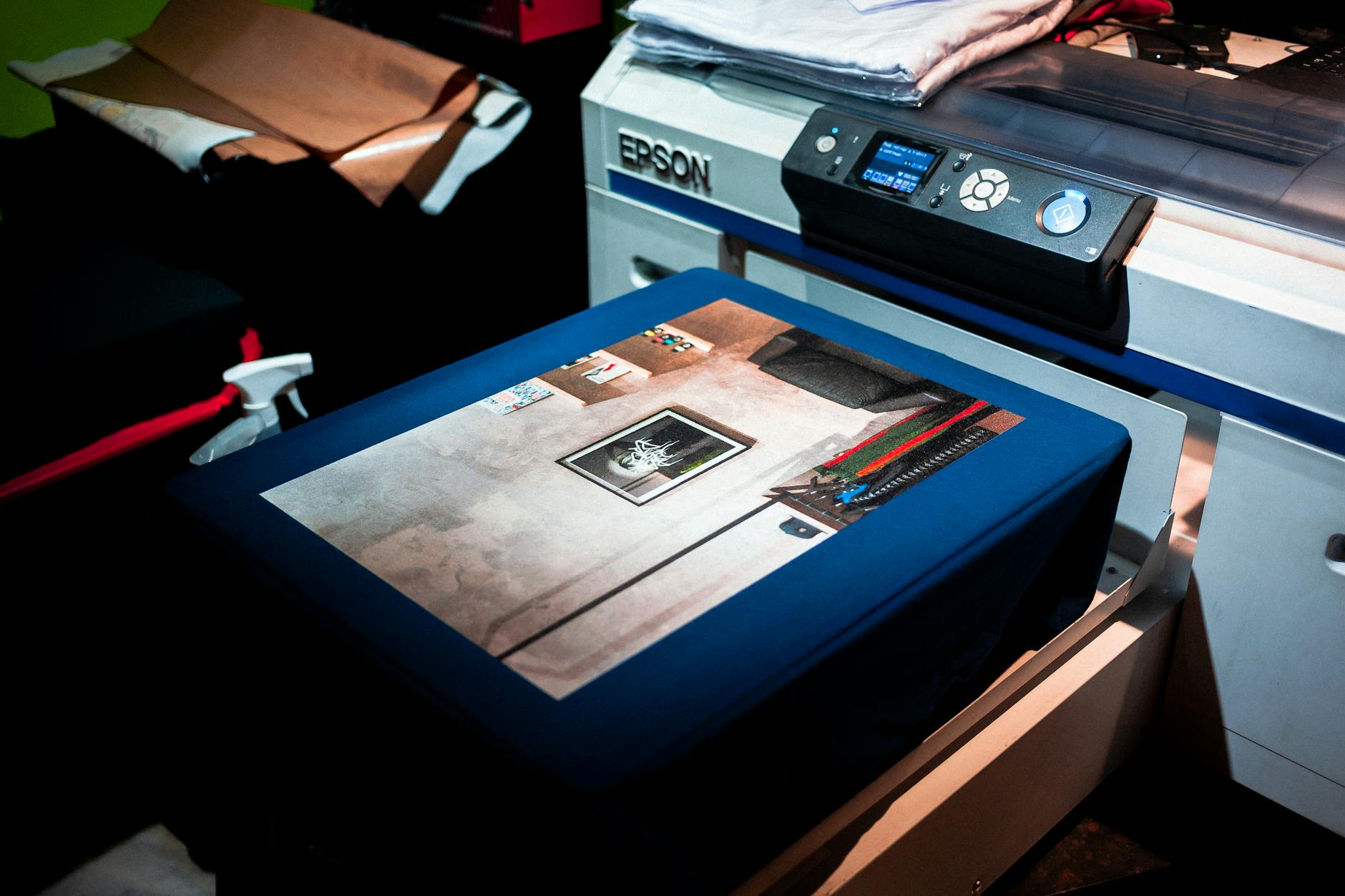
When it comes to putting your brand on a t-shirt, the printing method you choose matters far more than most people realise. Digital printing on custom t-shirts in Australia has grown rapidly in popularity over the past decade, and for good reason — it offers unmatched detail, vibrant colour reproduction, and the flexibility to handle short runs without breaking the budget. Whether you’re a Sydney-based corporate team gearing up for a company event, a Melbourne conference organiser sourcing branded staff shirts, or a Brisbane startup looking to build brand recognition through merch, understanding how digital printing works will help you make smarter decisions before you place an order.
What Is Digital Printing on Custom T-Shirts?
Digital printing, often referred to as Direct-to-Garment (DTG) printing, is a process that works similarly to a standard inkjet printer — except instead of paper, it prints directly onto the fabric of a garment. The design is loaded digitally, and the printer deposits water-based inks directly into the fibres of the shirt, creating a smooth, high-resolution result.
This is distinct from screen printing on custom pens and other products, where a physical stencil or mesh screen is created for each colour in the design. With digital printing, there are no screens to create and no colour separations to worry about, which makes it particularly well-suited to complex, photographic, or multi-colour artwork.
How DTG Differs from Other Decoration Methods
Understanding where DTG sits in relation to other decoration techniques is important when briefing a supplier or comparing quotes. Here’s a quick breakdown:
- Screen printing: Best for bold, simple designs in limited colours. Excellent for large volume runs but involves setup costs per colour.
- Sublimation: Ideal for polyester garments where all-over prints are needed. Our guide to sublimation polo shirts explores this method in more detail.
- Heat transfer: A flexible method that works across many fabrics, often used for single items or small batches.
- Embroidery: A premium option for logos on corporate polos or caps. Works brilliantly on thicker garments but doesn’t suit fine detail or gradients.
- DTG digital printing: Best for detailed designs, photographic imagery, multi-colour artwork, and short to medium print runs.
Each method has its strengths, and the right choice depends on your garment type, design complexity, order volume, and budget.
Key Benefits of Digital Printing for Australian Businesses
Digital printing has become a genuine game-changer for organisations that previously couldn’t justify a minimum order of 50 or 100 shirts just to get started. Here’s why so many Australian businesses are turning to DTG for their custom t-shirt needs.
No Colour Limits
One of the biggest advantages of digital printing is that it handles full-colour artwork — including gradients, photographic images, and intricate illustrative designs — without any additional cost per colour. Screen printing charges per ink colour, which makes complex designs expensive. With DTG, a 14-colour design costs the same to print as a 2-colour one.
Lower Minimum Order Quantities
Traditional decoration methods like screen printing require relatively high minimum order quantities (MOQs) to offset the cost of setting up screens. Digital printing typically allows orders as low as 1 to 10 units, making it ideal for:
- Sample runs before committing to a larger order
- Employee onboarding kits with personalised names or roles
- Small team uniforms for startups or independent businesses
- Event giveaways where multiple design variations are needed
For a Perth events company running a conference with 30 attendees, or a Hobart charity needing 15 custom shirts for a fundraiser, DTG provides the kind of flexibility that simply isn’t available with other methods.
No Setup Fees (Or Reduced Fees)
Because there’s no physical screen to prepare, digital printing typically comes with minimal or no artwork setup fees. This can make a meaningful difference to your per-unit cost, especially on smaller orders. Always confirm this with your supplier, as some providers still charge a small artwork or file preparation fee.
Fast Turnaround Times
DTG printing can often be turned around within 3 to 7 business days once artwork is approved — significantly faster than screen printing, which may require 10 to 15 business days to accommodate screen creation and curing. For businesses in urgent situations — a last-minute corporate event, a product launch, or an unexpected team expansion — digital printing is often the most practical option. That said, always confirm lead times with your supplier and build in a buffer wherever possible.
What to Know Before You Order: Practical Tips for Getting It Right
Getting a great result from digital printing on custom t-shirts in Australia comes down to a few critical factors. Here’s what to keep in mind before you submit your artwork and place your order.
Artwork Requirements
DTG printing performs best with high-resolution artwork files. As a general rule:
- Submit artwork at 300 DPI or higher at the intended print size
- PNG files with transparent backgrounds are ideal for DTG printing
- Avoid low-resolution logos saved from websites — these will not reproduce well
- Vector files (AI or EPS) can be converted to high-res raster formats by your supplier if needed
If you’re working with a designer, brief them to produce print-ready files specifically formatted for DTG. Many suppliers will also offer a digital proof before printing begins — always review this carefully before approving.
Fabric Type Matters
DTG printing works best on 100% cotton or cotton-rich blends (at least 50% cotton). The water-based inks bond to cotton fibres effectively, producing vibrant, durable results. Synthetic fabrics like 100% polyester don’t absorb DTG inks as well — for those garments, sublimation or heat transfer is generally the better option.
Dark-coloured garments require a white underbase layer to be printed first, which allows the colours to appear bright and true. This is a standard part of the DTG process but is worth understanding because it can slightly affect the texture of the print compared to light-coloured shirts.
Wash Care and Durability
A common question from businesses ordering DTG-printed shirts for the first time is how well the prints hold up to washing. Modern DTG inks are formulated to be durable, but the print will last longer when:
- Garments are washed inside-out in cold water
- A gentle or delicate wash cycle is used
- Shirts are not placed in a dryer on high heat
- The print is not ironed directly
For workwear or uniforms that will be laundered frequently, it’s worth discussing durability expectations with your supplier and considering whether a higher-quality blank garment is worth the additional investment.
Budgeting for Your Order
Digital printing costs vary depending on the blank garment selected, the print size, the complexity of the artwork, and the order volume. As a rough guide for 2026:
- Basic DTG print on a quality cotton tee: $25–$55 per unit for small quantities
- Larger order volumes (50+) will generally bring the per-unit cost down considerably
- Premium blanks (heavier GSM, organic cotton, fashion-fit styles) will increase the base cost
It’s also worth factoring in freight costs, particularly if you’re ordering from a supplier interstate. A Brisbane business sourcing from an Adelaide printer, for example, should account for shipping lead times and costs in their overall project budget.
Building a broader branded merchandise strategy? You might also find value in exploring promotional notebooks and branded tech accessories like phone stands to complement your t-shirt orders as part of a cohesive merch pack.
Digital Printing vs. Screen Printing: Which Is Right for Your Order?
This is the question most businesses wrestle with when planning a custom t-shirt order. The honest answer is that neither method is universally superior — the right choice depends on your specific project.
Choose digital printing when:
- Your design has more than 4–5 colours, gradients, or photographic elements
- You need fewer than 50 units
- You require multiple design variations across a single order
- Speed is a priority and lead times are tight
Choose screen printing when:
- You need 100+ units of the same design
- Your design is simple and uses limited spot colours
- You want a particularly vibrant, bold finish with high opacity
- Long-term durability across heavy industrial or workwear use is critical
For organisations investing in broader brand-building — whether that’s corporate teams, councils, or sporting clubs — it’s worth reading about how branded merchandise drives increased brand awareness to understand how your apparel choices fit into the bigger picture.
You might also be sourcing complementary items alongside your shirts. Businesses often pair custom tees with insulated stainless steel water bottles, branded winter apparel, or employee gift hampers for events and end-of-year campaigns.
And if you’re building out a full promotional toolkit, consider how products like laser-engraved promotional products, custom USB drives, and engraved pens for award ceremonies can round out your branded merchandise mix beyond apparel alone.
Finding a Reliable Supplier for Digital Printing in Australia
When evaluating suppliers for digital printing on custom t-shirts in Australia, look for the following:
- Clear communication: A responsive supplier who offers proofs, confirms artwork specs upfront, and is transparent about lead times
- Sample availability: The ability to order a sample or pre-production proof before committing to a full run
- Garment range: Access to a broad range of blank t-shirt styles, fits, colours, and sizes — including sustainably sourced options
- Decoration expertise: Suppliers who understand which decoration method suits your specific brief, rather than defaulting to one approach
- Print quality guarantees: Willingness to reprint or remedy orders that don’t meet the agreed specification
Working with a knowledgeable supplier — rather than just the cheapest option — will save time, reduce reprints, and produce a result you’re genuinely proud to put your brand on. Our resource on working with promotional product experts covers what to look for when choosing a supplier for branded merchandise projects.
Conclusion: Key Takeaways for Businesses Considering Digital Printing
Digital printing on custom t-shirts in Australia offers a flexible, cost-effective, and visually impressive solution for businesses, event organisers, and corporate teams of all sizes. Before you place your next order, keep these key points in mind:
- DTG printing excels at complex, multi-colour designs and is ideal for short to medium order runs where screen printing setup costs aren’t justified
- Cotton or cotton-rich fabrics produce the best DTG results — always confirm fabric composition before selecting your blank garment
- Submit high-resolution artwork (300 DPI PNG with a transparent background) for the sharpest possible print result
- Compare decoration methods based on your specific design, quantity, budget, and timeline — no single method suits every project
- Work with a knowledgeable supplier who provides proofs, clear timelines, and transparent pricing to ensure your order goes smoothly from brief to delivery
With the right supplier and a well-prepared brief, digital printing on custom t-shirts is one of the most powerful tools in any Australian business’s branding toolkit.