
Eco-Friendly Apparel in Perth: A Complete Guide for Businesses and Organisations
Discover how Perth businesses can source sustainable, custom-branded apparel — from organic tees to recycled fabrics — with expert buying tips.

Written by
Tessa Nordberg
Eco & Sustainable Products
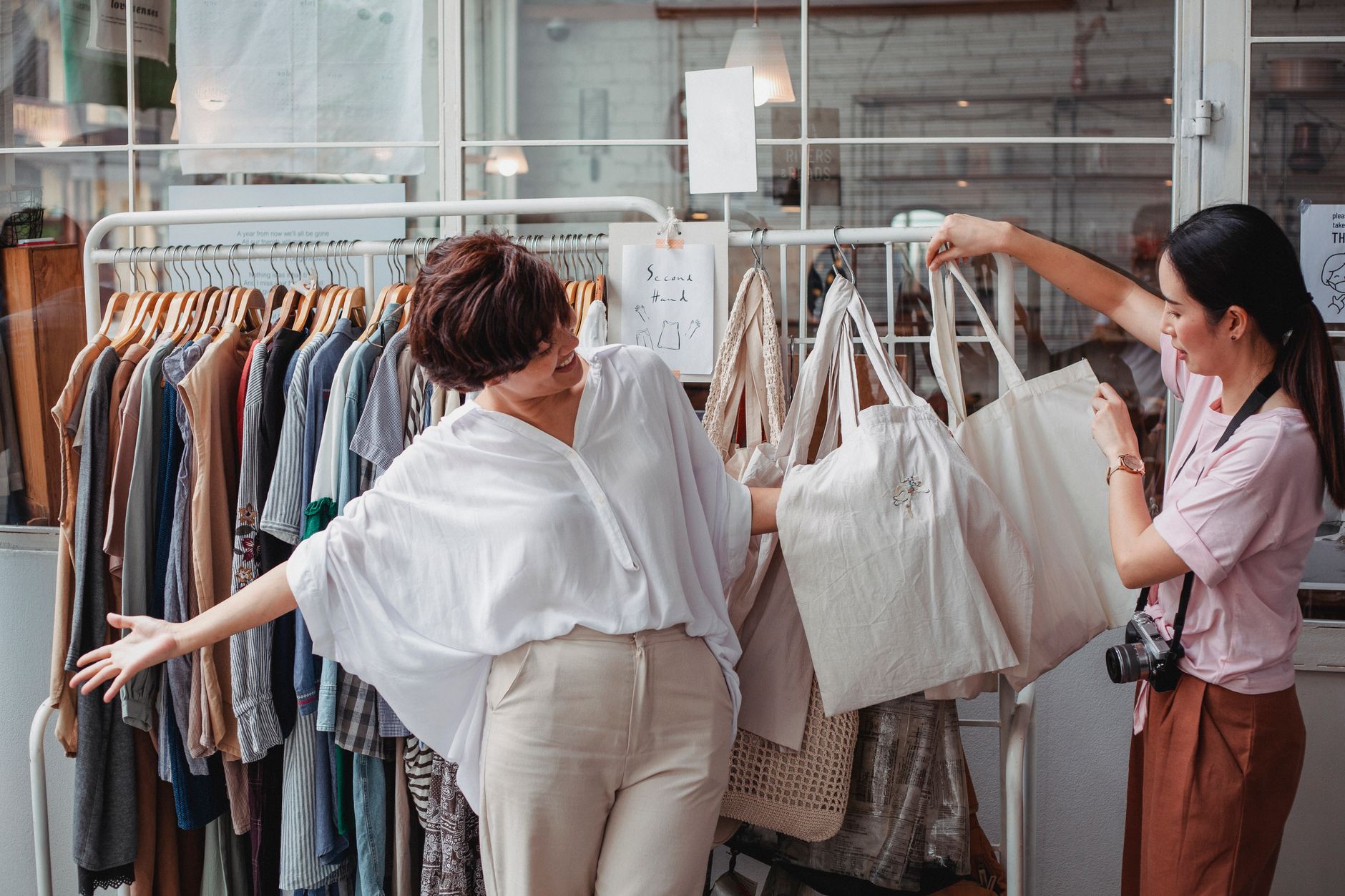
Sustainability has shifted from a buzzword to a business expectation, and nowhere is this more evident than in the world of branded merchandise. If you’re a Perth-based business, corporate team, or event organiser looking to source eco-friendly apparel in Perth, you’re already ahead of the curve. More organisations across Western Australia are reconsidering what their branded clothing says about them — not just visually, but ethically. From Fremantle startups ordering organic cotton tees to Joondalup councils kitting out volunteer crews in recycled-fabric polos, the appetite for sustainable workwear and promotional clothing is growing fast. This guide will walk you through everything you need to know about sourcing, customising, and ordering eco-conscious branded apparel in Perth.
Why Eco-Friendly Apparel Matters for Perth Businesses
Perth’s business community is increasingly values-driven. Western Australia’s unique natural environment — from the Swan River to the coastal beaches stretching down to Margaret River — gives locals a particularly strong connection to environmental responsibility. For businesses that operate in this landscape, aligning your branded merchandise with sustainable practices isn’t just good ethics, it’s good marketing.
Customers, employees, and stakeholders notice when an organisation walks the talk. Handing out a recycled polyester hoodie at your next corporate event sends a very different message than a cheap, single-use promotional tee that’ll end up in landfill within six months. That message matters, especially as B Corp certification and ESG (Environmental, Social, and Governance) reporting become more mainstream across Australian corporate culture.
Beyond reputation, there are practical benefits too. Sustainable fabrics have come a long way in terms of quality, comfort, and durability. In many cases, eco-friendly garments outlast their conventional counterparts, offering better long-term value for organisations that invest in staff uniforms or promotional clothing.
For a broader look at how Australian organisations are approaching corporate merchandise in Australia, it’s worth understanding how sustainability fits into the wider procurement picture.
What Types of Eco-Friendly Apparel Are Available?
The sustainable apparel category has expanded significantly in recent years. Perth businesses now have access to a wide range of eco-conscious options across different product types and price points.
Organic Cotton T-Shirts and Polos
Organic cotton is grown without synthetic pesticides or fertilisers, using less water than conventional cotton farming. For branded promotional t-shirts and polos, organic cotton is one of the most popular sustainable choices. The fabric feels premium, prints beautifully via screen printing or direct-to-garment (DTG) methods, and carries recognised certifications like GOTS (Global Organic Textile Standard) or OEKO-TEX.
For organisations ordering staff shirts or event merchandise, organic cotton tees in earthy tones and classic cuts are a crowd-pleaser. A Perth sustainability conference, for example, might order 200 organic cotton shirts screen-printed with a bold event logo — a practical choice that reinforces the event’s values from the moment attendees put them on.
Recycled Polyester Activewear and Jackets
Recycled polyester — often made from post-consumer plastic bottles — is ideal for activewear, moisture-wicking polos, and outerwear. It performs similarly to virgin polyester but diverts waste from landfill. For Perth sporting clubs, outdoor events, or teams that need durable, performance-focused apparel, recycled poly is an excellent option.
This material pairs particularly well with sublimation printing, which allows for full-colour, all-over designs with no additional chemical dyes. If your team needs vibrant, custom-designed jerseys or zip-up jackets, recycled polyester substrates can handle it beautifully.
Bamboo Fabric Garments
Bamboo is a rapidly renewable resource that requires minimal water and no pesticides to grow. Bamboo fabric blends are incredibly soft, naturally breathable, and have inherent antibacterial properties — making them popular for corporate casual wear and staff uniforms. In Perth’s warm climate, bamboo-blend shirts and lightweight layers are especially practical.
Hemp and Linen Apparel
Hemp is one of the most sustainable fibres available. It enriches soil rather than depleting it, grows quickly, and requires no herbicides. Hemp-blend garments are durable and develop a softer hand feel over time. While still a niche option in the branded merch space, they’re increasingly available through responsible suppliers and resonate strongly with eco-conscious audiences.
Sustainable Workwear and Hi-Vis Options
Eco-friendly apparel isn’t limited to casual tees and soft goods. Perth businesses operating in construction, logistics, or trades can now source hi-vis workwear made from recycled or sustainably-sourced materials. Partnering sustainable credentials with the practical requirements of a worksite is entirely achievable. For more on sourcing quality custom workwear in Australia, it’s worth exploring your options beyond the standard catalogue.
Decoration Methods That Align With Sustainability
Your choice of decoration method matters as much as the garment itself. Some printing processes are more environmentally friendly than others, and being informed helps you make choices that are genuinely sustainable rather than superficially so.
Water-based screen printing uses inks free from PVC and phthalates, and produces vibrant, long-lasting prints on natural fabrics like organic cotton. It’s widely available in Perth and ideal for bulk orders of 50 or more units.
Embroidery uses thread rather than inks or chemicals, making it one of the cleanest decoration methods available. It’s particularly well-suited to polos, caps, and heavier outerwear. The finished product also has a premium, long-lasting quality that aligns with the ethos of investing in durable goods over disposable ones.
Sublimation printing (as mentioned above) bonds dye directly into the fabric without requiring additional water or solvents, making it a relatively low-waste option for performance apparel.
Laser engraving is another clean, chemical-free decoration method — while not typically used on fabric garments, it’s excellent for branded accessories like drinkware. If your apparel order is part of a broader sustainable merchandise kit, consider pairing it with laser-engraved custom water bottles for a cohesive, eco-conscious pack.
Avoid plastisol screen printing where possible, as it uses PVC-based inks that don’t align with a sustainability narrative. If your supplier can’t confirm ink composition, ask.
Ordering Eco-Friendly Apparel in Perth: Practical Considerations
Minimum Order Quantities and Pricing
Sustainable garments typically cost more per unit than conventional alternatives — expect to pay a 15–30% premium depending on the fabric type and certification. However, this needs to be weighed against the quality and longevity benefits, as well as the brand value associated with genuinely sustainable practices.
Minimum order quantities (MOQs) for eco-friendly apparel vary by supplier and decoration method. Screen printing generally requires 25–50 units per design, while embroidery can sometimes be done in smaller runs of 12–24 pieces. DTG printing often has the lowest MOQ and is suitable for short runs or prototypes.
For Perth organisations planning a one-off event or product launch, it’s worth requesting samples before committing to a full order. Check that the fabric weight, colour, and certification documentation match what’s advertised.
Turnaround Times
Most eco-friendly apparel orders in Perth, when ordered through Australian-based fulfilment channels, have turnaround times of 10–20 business days from artwork approval to delivery. If you’re sourcing from offshore, factor in longer lead times and potential customs delays. Always confirm timelines with your supplier before locking in an event date.
For organisations across Australia managing delivery logistics, our guide to custom merchandise delivery to Brisbane covers practical turnaround and shipping considerations that apply broadly across the country.
Artwork and Colour Matching
Sustainable fabrics can behave differently under various decoration methods. Organic cotton, for example, may have a slightly textured surface that affects fine-detail prints. Always submit vector artwork (AI or EPS files) for the cleanest results, and if PMS colour matching is important to your brand, confirm this with your decorator upfront.
Earthy, nature-inspired colour palettes tend to perform especially well on sustainable apparel — think sage green, warm terracotta, navy, and stone. These shades resonate visually with an eco-friendly brand story.
Building a Complete Sustainable Merchandise Strategy
Eco-friendly apparel is most powerful when it’s part of a broader sustainable merchandise strategy. Perth organisations that are serious about reducing the environmental impact of their branded goods should look at the full range of products they’re ordering.
Pair your sustainable apparel with branded tote bags made from organic cotton or recycled materials, or consider promotional notebooks with custom branding made from FSC-certified or recycled paper. Sustainable drinkware — particularly reusable bottles and keep cups — make excellent companions to an eco-friendly apparel order and reinforce the message consistently.
If you’re planning a product launch or corporate event in Perth, your sustainable merch kit could include branded garments, eco totes, stainless steel water bottles, and seed paper cards — a cohesive set that tells a clear environmental story. Check out how organisations in other cities are approaching event merchandise for product launches in Melbourne for inspiration that translates well to a Perth context.
For the latest thinking on how the industry is evolving, the event merchandise trends in Australia guide offers a useful overview of where sustainable products are heading.
If your organisation also runs outdoor or active events, consider rounding out your merchandise suite with promotional sunscreen for gyms and fitness centres — particularly relevant in Perth’s year-round sun exposure — or winter branded apparel for cold-weather promotions for events or staff in cooler months.
Key Questions to Ask Your Supplier
Before placing an order for eco-friendly apparel in Perth, ask your supplier these important questions:
- What certifications does the fabric carry? Look for GOTS, OEKO-TEX, Fair Trade, or Bluesign certifications.
- Where is the garment manufactured? Transparency about the supply chain is a marker of genuine commitment to sustainability.
- What inks or processes are used in decoration? Confirm water-based or eco-certified options are available.
- What is the garment’s end-of-life story? Can it be composted, recycled, or donated?
- Do you offer carbon-neutral shipping or offset options?
A reputable supplier will be happy to answer these questions clearly and provide documentation where applicable.
Key Takeaways
Sourcing eco-friendly apparel in Perth is increasingly straightforward, but getting it right requires some informed decision-making. Here’s what to keep in mind:
- Choose certified fabrics — organic cotton, recycled polyester, bamboo, and hemp are all viable options for branded apparel, each with distinct benefits for different use cases.
- Match your decoration method to your sustainability goals — water-based screen printing, embroidery, and sublimation are the most eco-conscious decoration options.
- Budget for the premium — sustainable garments cost more upfront, but offer superior durability and brand value that typically justifies the investment.
- Plan ahead — eco-friendly apparel orders often have longer lead times, particularly for certified or ethically-sourced garments; start the process at least four to six weeks before your deadline.
- Think holistically — sustainable apparel is most impactful when paired with a broader eco-merchandise strategy that includes bags, drinkware, stationery, and packaging.
Perth’s business community is well-positioned to lead on sustainable branded merchandise — the values are there, the demand is growing, and the product options have never been better. Whether you’re a Subiaco startup, a Fremantle event team, or a Perth corporate group looking to upgrade your staff uniforms, eco-friendly apparel is a smart, strategic investment in both your brand and the planet.