
How to Choose Custom T-Shirts in Australia: The Complete Buying Guide
Choosing custom t-shirts in Australia? This expert guide covers fabrics, print methods, MOQs, and budgeting tips to get the best results.

Written by
Amelia Russo
Buying Guides & Tips
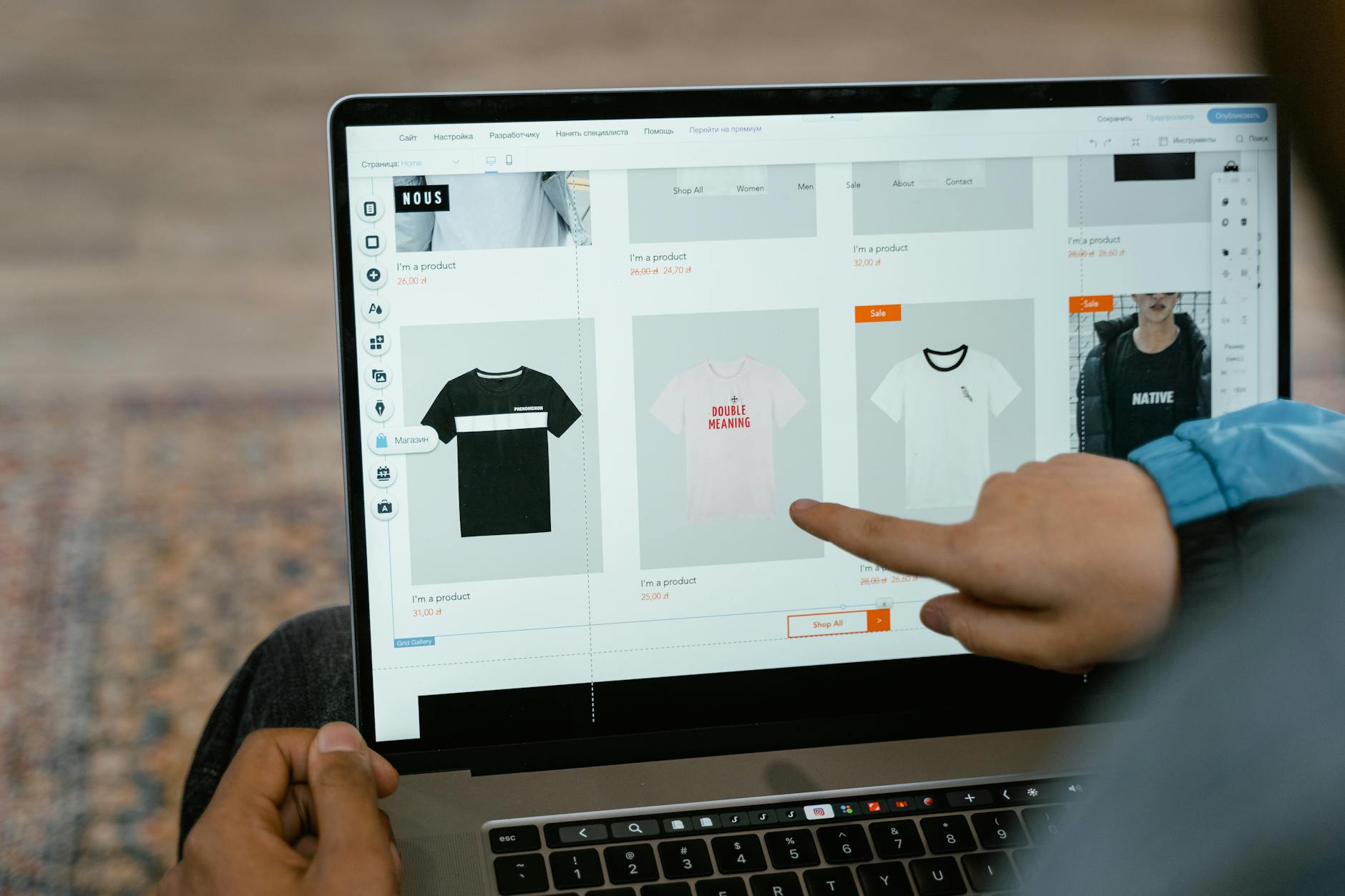
Choosing the right custom t-shirts for your business, team, or event is one of those decisions that seems straightforward — until you’re suddenly deep in a conversation about GSM weights, print methods, and minimum order quantities. Whether you’re a Sydney-based corporate team kitting out staff for a conference, a Brisbane sporting club ordering up for a gala day, or a Melbourne event organiser pulling together branded merch for a product launch, the choices you make upfront will determine how professional your final product looks, how comfortable it is to wear, and how well it holds up after repeated washes. This guide breaks down everything you need to know about how to choose custom t-shirts in Australia, so you can order with confidence and avoid the common pitfalls that trip up first-time buyers.
Why Custom T-Shirts Remain One of Australia’s Most Popular Branded Products
T-shirts have been a promotional staple for decades, and for good reason. They’re wearable, visible, cost-effective, and universally appealing. From a brand awareness standpoint, a person wearing your custom tee is a walking billboard — one that travels through offices, gyms, cafés, and public spaces. Few other merchandise items offer that kind of organic reach.
In 2026, the demand for custom apparel in Australia continues to grow, particularly as more businesses invest in team culture and event experiences. If you’re exploring the broader landscape of corporate merchandise in Australia, you’ll quickly find that custom t-shirts are often the anchor product around which entire merchandise ranges are built.
They’re also incredibly versatile. The same product that works for a corporate team-building day in Perth also works for a school fundraiser in Adelaide, a charity run in Canberra, or a trade show in the Gold Coast. That versatility is exactly why so many different organisations — from councils to tech startups to sports associations — keep coming back to them.
Understanding Fabric Options Before You Order
One of the most important (and often overlooked) decisions when choosing custom t-shirts is selecting the right fabric. The fabric affects everything: comfort, print quality, durability, and how the garment looks on different body types.
Cotton
100% cotton is the most popular choice for good reason. It’s breathable, soft against the skin, and holds screen printed and embroidered decorations beautifully. For events held outdoors in summer — think Darwin or Brisbane in January — cotton’s breathability makes it an easy choice. Look for weights between 160–200 GSM for a quality feel without being too heavy.
Polyester and Performance Fabrics
Polyester-blend tees and full polyester performance fabrics are ideal for sporting clubs, active events, and anything involving physical activity. They’re moisture-wicking and tend to hold colour well under sublimation printing. If you’re ordering custom apparel for a sporting event or a fitness brand, polyester is often the smarter choice. You might also want to explore custom tank tops for events in Australia as a complementary option alongside performance tees.
Cotton/Poly Blends
A 50/50 or 60/40 cotton-polyester blend offers a middle ground — some of the comfort of cotton with added durability and a slightly reduced price point. These blends can be a smart budget choice for large volume orders where comfort and cost both matter.
Bamboo and Organic Cotton
Increasingly, Australian businesses are requesting eco-conscious fabric options. Bamboo tees and organic cotton garments carry a lower environmental footprint and resonate strongly with audiences who value sustainability. This is particularly relevant in markets like inner-city Melbourne and Sydney, where conscious consumption is a purchasing driver. If sustainability is central to your brand identity, take a look at our resource on eco-friendly apparel in Perth for more context on where this category is heading.
Choosing the Right Decoration Method
Once you’ve settled on a fabric, the next major decision is how your artwork or branding will be applied to the garment. Different decoration methods suit different use cases, budgets, and artwork styles.
Screen Printing
Screen printing is the gold standard for bulk custom t-shirt orders in Australia. It produces vibrant, long-lasting results and becomes highly cost-effective at scale — typically once you’re ordering 50 or more units. It works best with simpler artwork containing limited colours (typically up to 6 spot colours). If you’re doing a large run of staff uniforms or event tees, screen printing is almost always the right call.
Embroidery
Embroidery adds a premium, textured finish that works particularly well on polo shirts and heavier cotton tees. It’s ideal for corporate uniforms and workwear where a professional appearance is essential. If you’re building out a broader custom workwear Australia wardrobe, pairing embroidered polos with screen-printed tees can create a coherent, tiered uniform range.
Heat Transfer and Digital Printing
Direct-to-garment (DTG) printing and heat transfer methods are ideal when you need photo-quality, full-colour artwork or when your order quantities are lower (under 25–50 units). They’re great for one-off corporate gifts, event giveaways, or when your design involves gradients and complex colour blends that screen printing can’t economically reproduce.
Sublimation
Sublimation printing is best suited to polyester garments and allows for all-over, edge-to-edge printing with unlimited colours. It’s a popular choice for sports clubs and events needing bold, statement-making designs. Keep in mind that sublimation doesn’t work on cotton.
How to Assess Sizing, Fit, and Inclusivity
A commonly underestimated aspect of ordering custom t-shirts is getting the sizing mix right. Australian workplaces and event audiences are wonderfully diverse, and a good merchandise experience means ensuring everyone gets a garment that fits them comfortably.
Most reputable suppliers offer sizing from XS through to 5XL, and some carry specific women’s cuts alongside unisex styles. When placing a bulk order, it pays to survey your team or audience in advance rather than guessing. Nothing undermines the impact of a well-designed tee like it being too tight or uncomfortably baggy.
Fit matters too. A fitted women’s cut flatters differently to a boxy unisex tee. For corporate events and professional settings, slim-fit or tailored options often land better. For casual events, tradeshows, or charity fundraisers, a relaxed unisex fit typically works for a broader audience. Understanding generational marketing preferences for branded merchandise can also help you make smarter fit and style decisions depending on who’s wearing your merch.
Budgeting for Custom T-Shirts in Australia
Pricing for custom t-shirts varies significantly depending on fabric quality, decoration method, quantity, and turnaround requirements. As a general guide:
- Budget range: $8–$15 per unit (basic cotton, screen print, 100+ units)
- Mid-range: $15–$28 per unit (quality fabric, multi-location print, 50–100 units)
- Premium range: $28–$50+ per unit (premium or eco fabric, embroidery, smaller quantities)
Setup fees for screen printing typically range from $50–$100 per colour per position, so a multi-colour design with both a front and back print can add meaningfully to your unit cost at smaller quantities. This setup cost is generally amortised across larger runs, which is why bulk pricing tiers are so significant.
It’s also worth factoring in freight costs, particularly if you’re ordering for delivery to regional areas or multiple locations. For tips on managing delivery logistics, our guide to custom merchandise delivery to Brisbane covers some useful considerations that apply across most Australian states.
Turnaround Times and Planning Ahead
One of the most common mistakes organisations make when ordering custom t-shirts is leaving it too late. Realistic production and delivery timelines in Australia vary, but as a general rule:
- Standard production: 10–15 business days after artwork approval
- Rush orders: 5–7 business days (usually at a premium)
- Overseas-sourced or large volume orders: 4–8 weeks
If you’re ordering for a specific event date — a conference, a school athletics day, a product launch — always build in at least a 3-week buffer from the moment you begin artwork conversations. Proof approval, revisions, and freight all take time. For further inspiration on planning event merch effectively, the resource on event merchandise for product launches in Melbourne is worth a read.
Also keep an eye on current event merchandise trends in Australia to make sure your t-shirt design and fabric choices feel contemporary and relevant for your audience.
Artwork Preparation and Colour Matching
Poor artwork is one of the leading causes of disappointing custom t-shirt results. When preparing files for print, always aim to supply vector artwork (AI, EPS, or high-resolution PDF) rather than rasterised images (JPG or PNG). Vector files scale infinitely without quality loss and produce the sharpest results in screen printing and embroidery.
If colour accuracy is critical to your brand — particularly for logos — request PMS (Pantone Matching System) colour matching rather than relying on CMYK or RGB values. This ensures your navy blue looks like your navy blue, not a slightly different shade that clashes with your other branded materials.
Don’t forget to consider how your design will look across different garment colours. A design that pops on white may need adjustment to work on a dark navy or charcoal tee.
How to Choose Custom T-Shirts in Australia: Making the Final Call
With all of the above in mind, narrowing down your choice comes down to a few key questions:
- Who is wearing the t-shirt, and in what context? (Corporate, casual, active, outdoor)
- What quantity do you need, and does it meet the MOQ for your preferred decoration method?
- What’s your budget per unit, including setup and freight?
- How complex is your artwork, and which decoration method does it best suit?
- When do you need them, and does your timeline allow for standard production?
Answering these honestly before you approach a supplier will save you time, money, and the stress of last-minute surprises. You might also find it useful to pair your t-shirt order with complementary branded items — from promotional notebooks and USB promotional flash drives at corporate events to custom picnic blankets for sports sponsorships for outdoor occasions.
And if you’re thinking seasonally, don’t overlook the value of winter branded apparel for cold weather promotions to round out your annual merchandise calendar alongside your summer tee orders.
Key Takeaways
- Fabric first: Match your fabric choice to the wearer’s needs — cotton for comfort, polyester for performance, eco options for sustainability-focused audiences.
- Decoration method matters: Screen printing suits bulk runs; DTG and heat transfer suit smaller quantities or complex artwork; embroidery adds a premium feel.
- Size inclusively: Survey your audience before ordering and ensure your size range is broad enough to fit everyone comfortably.
- Plan your timeline: Always allow at least 3 weeks from artwork approval to event date, and build in buffer time for proofing and freight.
- Know your numbers: Understand MOQs, setup fees, and unit pricing before committing, and factor freight into your total budget.
Choosing custom t-shirts in Australia doesn’t have to be complicated — armed with the right knowledge, you’ll be able to brief a supplier clearly, avoid unnecessary costs, and end up with a product your team or audience will genuinely love to wear.