
Embroidery in Melbourne: The Complete Guide for Businesses and Corporate Teams
Discover how Melbourne businesses can use custom embroidery to elevate branded apparel, from decoration methods to ordering tips.

Written by
Priya Kapoor
Branding & Customisation
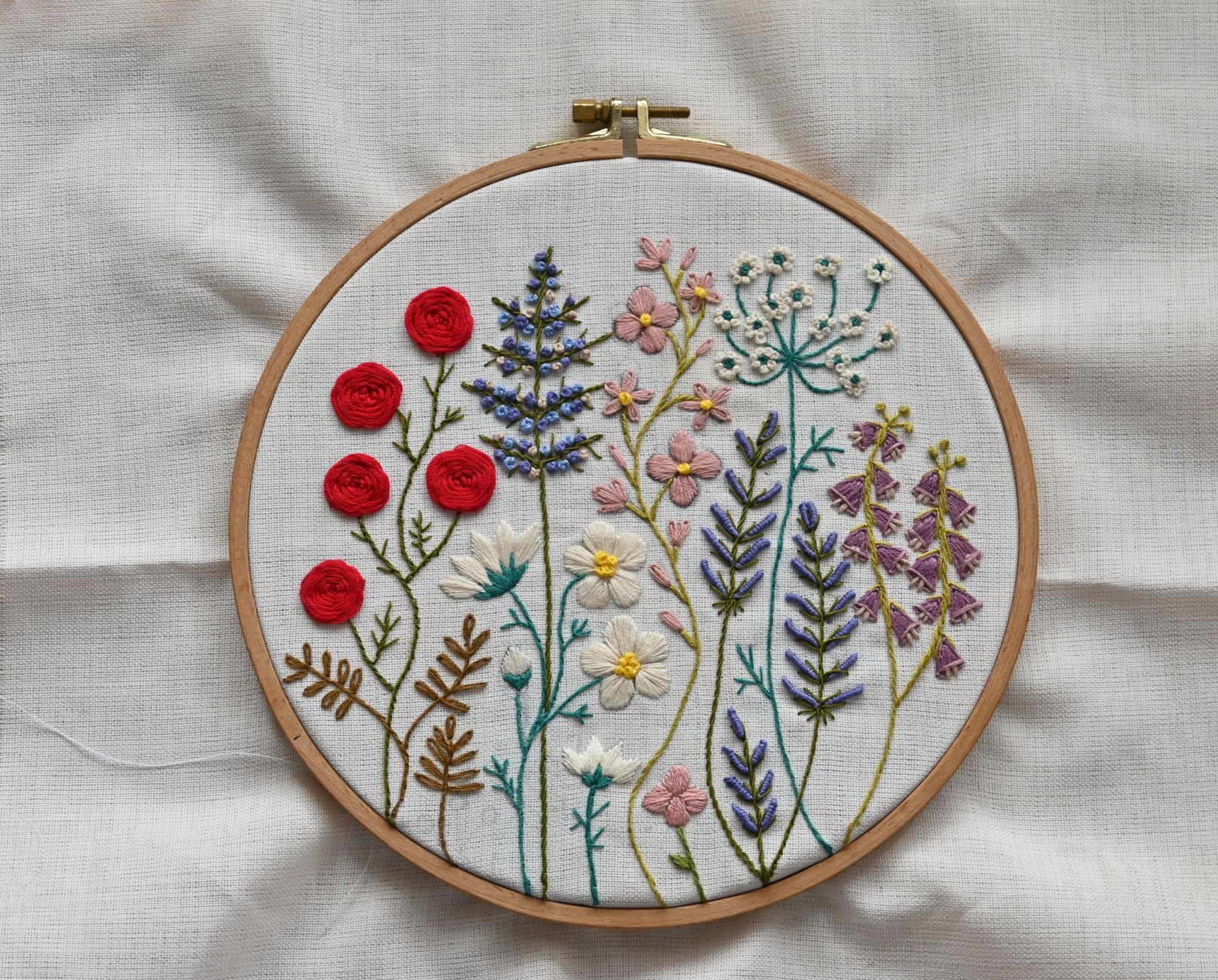
If you’ve ever pulled on a polo shirt with a sharp, raised logo stitched directly into the fabric, you already know the difference quality embroidery makes. For Melbourne businesses, corporate teams, and event organisers looking to present a polished, professional image, custom embroidery remains one of the most respected and enduring decoration methods available. Unlike printed designs that can fade or peel over time, embroidered logos carry a tactile quality and visual weight that simply can’t be replicated by ink on fabric. Whether you’re outfitting a corporate team in the CBD, kitting out a hospitality crew in South Yarra, or producing branded uniforms for a Docklands conference, understanding how embroidery works — and how to get the most out of it — will save you time, money, and frustration.
Why Embroidery Remains the Gold Standard for Melbourne Businesses
Melbourne has one of Australia’s most competitive and image-conscious business landscapes. From the finance and legal precincts of Collins Street to the creative agencies of Fitzroy and the retail strips of Chapel Street, the way your team presents itself matters enormously. Embroidery delivers a premium finish that communicates quality, longevity, and attention to detail — values that resonate across virtually every industry.
The key advantage of embroidery over other decoration methods is durability. A well-executed embroidered logo can withstand hundreds of wash cycles without degrading, making it particularly well-suited for workwear, uniforms, and any garment intended for frequent use. This makes it a cost-effective choice over the long term, especially for organisations that invest in quality apparel.
For businesses exploring the full range of decoration options, it’s worth reading about which decoration method suits your team’s apparel needs before committing to a single approach. That said, for most corporate applications — particularly polo shirts, dress shirts, jackets, and caps — embroidery will be the clear frontrunner.
Which Products Work Best with Embroidery?
Not every product is equally well-suited to embroidery, and knowing the difference will help you brief your supplier more effectively.
Ideal embroidery candidates include:
- Polo shirts and business shirts — the structured weave holds stitching beautifully
- Fleece hoodies and sweatshirts — embroidery adds a premium touch to casual team apparel
- Corporate jackets and softshells — especially chest or sleeve placement logos
- Beanies and caps — embroidery is the standard method for headwear decoration
- Tote bags with structured canvas — holds detail well without puckering
- Workwear and hi-vis garments — embroidery withstands industrial laundering better than print
Products to approach with caution include very thin or stretchy fabrics, where the density of stitching can cause puckering or distortion. Sublimation might be a better choice for performance athletic wear — you can explore this in our guide to sublimation polo shirts — while screen printing often works better for high-volume runs on lighter cotton tees. Our slim fit t-shirt guide also touches on decoration considerations for fitted garments.
Understanding the Embroidery Process: From Artwork to Finished Product
One of the most common misconceptions among first-time buyers is that submitting a logo file means your design is ready to stitch. In reality, embroidery requires a separate conversion process called digitising, where your artwork is translated into a stitch file that tells the embroidery machine exactly how to recreate your logo in thread.
Digitising: The Foundation of Quality Embroidery
Digitising quality is arguably the single biggest factor in how your finished embroidered logo looks. A poorly digitised file will result in loose stitches, thread breaks, uneven coverage, and designs that don’t hold their shape after washing. A professionally digitised file, by contrast, will render your logo crisp, dense, and dimensionally accurate.
When briefing a Melbourne embroidery supplier, always ask:
- Who handles their digitising — in-house or outsourced?
- Can you provide a digital proof (a simulated preview of the stitch file) before production begins?
- What format will the stitch file be saved in, and do you retain ownership of it for future orders?
For anyone wanting to go deeper on the technical side, our dedicated resource on understanding thread count for embroidery on promotional apparel is essential reading before you brief a supplier.
Artwork Requirements for Embroidery
Embroidery works best with clean, bold designs. Fine detail, very thin lines, and small text can be difficult or impossible to render accurately in thread. As a general guideline:
- Text should be no smaller than 4–5mm in height to remain legible
- Gradients and photographic elements cannot be replicated in standard embroidery
- Logos with too many colours may increase the stitch count and cost significantly
- Vector artwork (AI, EPS, PDF) is preferred, though experienced suppliers can work from high-resolution raster files
If your logo is complex, discuss simplification options with your supplier — most will offer suggestions for adapting your artwork for the best possible embroidered result.
Embroidery Melbourne: Practical Ordering Considerations
Minimum Order Quantities and Pricing
Embroidery suppliers in Melbourne typically work with minimum order quantities (MOQs) starting from as few as 6–10 pieces for standard garments, though pricing per unit drops significantly at higher volumes. A typical breakdown might look like this:
- 6–24 pieces: Higher per-unit cost, one-off digitising fee (usually $50–$100)
- 25–50 pieces: Mid-range pricing, digitising fee offset by volume
- 50+ pieces: Better unit pricing, digitising fee becomes negligible
- 100+ pieces: Wholesale-style pricing unlocked, faster production scheduling
Setup or digitising fees are usually a one-time cost — once your stitch file exists, reorders are simply a matter of running production again. This makes embroidery increasingly cost-effective for organisations that reorder regularly.
Turnaround Times in Melbourne
Standard turnaround for embroidered garments in Melbourne is typically 10–15 business days from approved artwork, though this can extend during peak periods — particularly in the lead-up to end-of-financial-year, Christmas, and major sporting events when local suppliers experience high demand. Rush orders may be available at a premium, but it’s always worth planning ahead.
If you’re managing a broader merchandise project — say, a corporate event with multiple product types — it’s helpful to read our guide on selecting the right promotional product for your target audience to coordinate timelines across different decoration methods.
Colour Matching for Embroidery
Unlike screen printing, which uses PMS inks mixed to exact specifications, embroidery uses pre-dyed thread. Most professional suppliers stock thread ranges that closely align with the Pantone Matching System (PMS), but there’s always a small degree of variation. When placing your order, always:
- Provide PMS references for your brand colours
- Request a physical sample if colour accuracy is critical
- Understand that thread colours may shift slightly under different lighting conditions
Beyond Apparel: Embroidery Applications for Melbourne Organisations
While corporate uniforms and polos are the most obvious use case, embroidery has a surprisingly broad range of applications for Melbourne businesses and event teams.
Corporate Gifts and Seasonal Merchandise
Embroidered items make exceptional corporate gifts. A premium beanie or quality jacket with a tastefully placed embroidered logo is far more memorable than a generic printed item. As Melbourne winters can be genuinely cold — particularly from June through August — branded cold-weather items have real utility and longevity. Explore our guides on winter branded apparel for cold-weather promotions and winter branded gifts for employees for inspiration on how to integrate embroidery into your seasonal merchandise strategy.
For Christmas gifting, embroidered products can anchor a broader gift package alongside complementary items — our guide to sustainable corporate gift hampers for Christmas explores how to build a cohesive gifting set that pairs apparel with eco-friendly accessories.
Workwear and Team Uniforms
For Melbourne businesses in industries like construction, hospitality, property, and facilities management, embroidered workwear is the professional standard. Whether it’s a work shirt polo for a property management team or an embroidered trolley bag for a corporate travel kit, embroidery adds a layer of brand authenticity that customers and clients immediately notice.
If your organisation also uses promotional merchandise across other formats — for example, branded reusable water bottles or USB promotional flash drives — embroidered apparel provides a strong visual anchor that ties your broader merchandise suite together.
Finding the Right Embroidery Supplier in Melbourne
Not all embroidery suppliers are created equal. Melbourne has a strong network of local decorators, but quality, communication, and reliability vary considerably. When evaluating suppliers, look for:
- A clear proofing process — you should always approve a digital or physical proof before production begins
- In-house digitising capability — this usually results in better quality control and faster turnaround
- Transparent pricing — setup fees, per-unit costs, and any rush fees should be clearly communicated upfront
- Experience with your specific garment type — ask to see examples of similar work they’ve completed
- Reorder policies — confirm whether your stitch files are stored and available for future orders
It’s also worth asking whether your supplier can handle broader merchandise needs beyond embroidery. A supplier who can coordinate multiple decoration methods — from screen printing on custom pens to embroidery on jackets — can simplify your procurement significantly.
Conclusion: Key Takeaways for Embroidery in Melbourne
Custom embroidery remains one of the smartest investments Melbourne businesses can make in their brand presentation. When approached with the right knowledge and a quality supplier, it delivers results that last — both in terms of physical durability and the impression it leaves on clients, customers, and team members.
Here are the key points to carry with you:
- Embroidery is best suited to structured garments — polos, jackets, caps, workwear, and fleece — where the fabric can support the stitch density without distorting
- Digitising quality is everything — always ask about your supplier’s digitising process and insist on a proof before production begins
- Plan your artwork carefully — bold, clean logos with defined edges translate best to thread, and minimum text size matters
- Factor in setup fees and MOQs — digitising is typically a one-time cost, making reorders significantly more economical
- Build in lead time — standard Melbourne turnaround is 10–15 business days, so avoid leaving embroidery orders to the last minute, especially around peak periods
With the right supplier and a clear brief, embroidery in Melbourne can elevate your team’s presentation in ways that print simply can’t match. Take the time to understand the process, ask the right questions, and invest in quality — your brand will thank you for it.