
How to Print on a T-Shirt: The Complete Guide for Australian Businesses
Learn everything about how to print on a t-shirt — decoration methods, costs, MOQs, and tips for Australian businesses and event organisers.

Written by
Ryan Gallagher
Custom Apparel
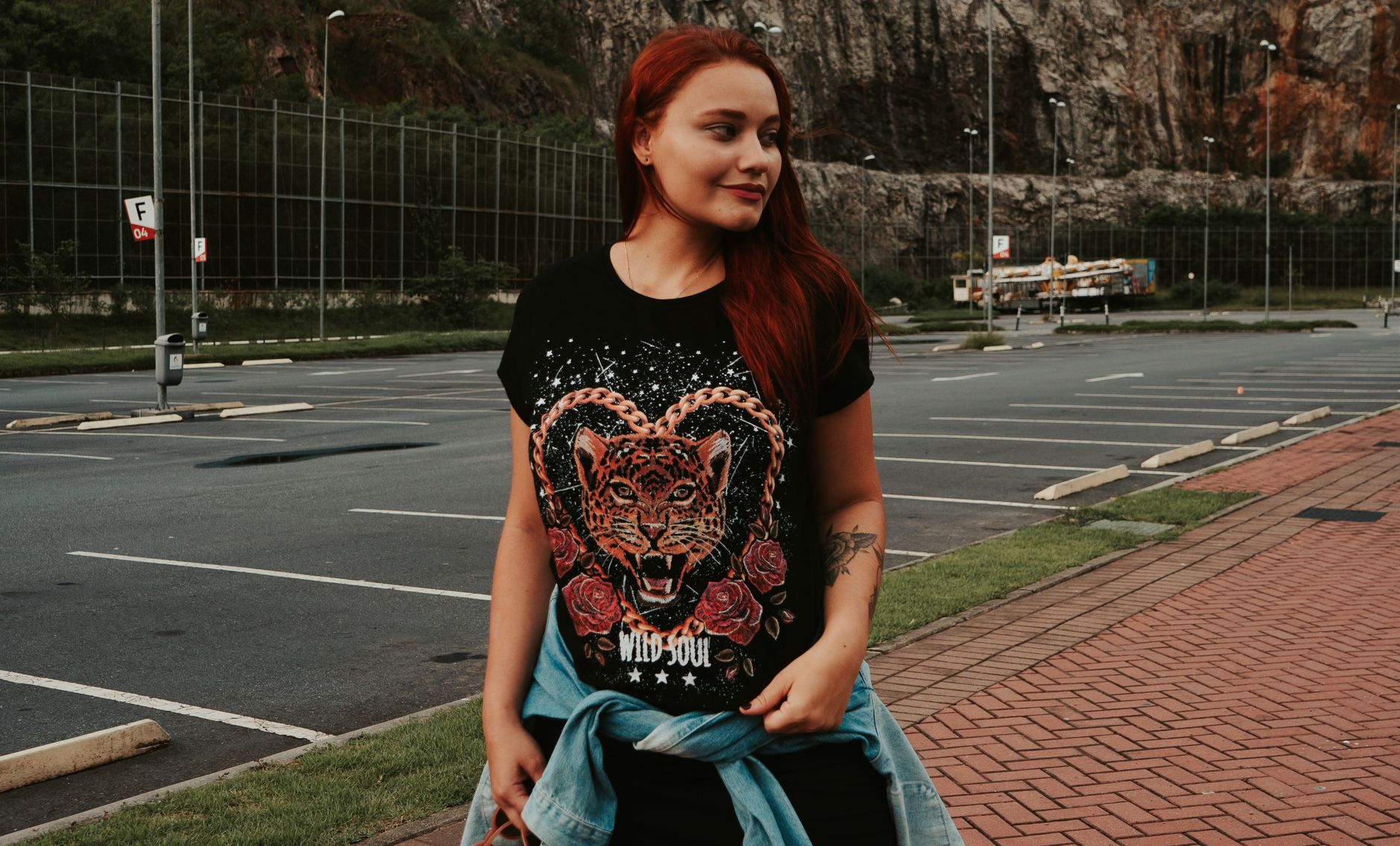
There’s a reason the humble t-shirt has remained the backbone of branded merchandise for decades. Whether you’re outfitting a corporate team in Sydney, organising a charity fun run on the Gold Coast, or kitting out staff for a Melbourne trade show, a well-designed, professionally printed t-shirt delivers brand visibility in one of the most cost-effective formats available. But if you’ve never ordered custom printed t-shirts before — or you’ve had a less-than-ideal experience with a previous supplier — the process can feel surprisingly complex. How do you choose the right decoration method? What file format does your artwork need to be? How many do you need to order? This guide answers all of that and more.
Why Print on a T-Shirt Remains One of the Smartest Branding Moves
Before diving into the technical side, it’s worth understanding why print-on-t-shirt merchandise continues to be one of the most requested products across virtually every sector in Australia.
T-shirts are universally worn. Unlike a branded pen that lives in a desk drawer or a keyring that gets lost in a bag, a t-shirt gets worn in public — at the gym, on weekends, at events, and sometimes even to the office. That means ongoing, organic brand impressions without any additional spend on your part.
They’re also incredibly versatile. A Perth construction company can use them as part of their site uniform. A Brisbane primary school can hand them out on sports day. An Adelaide not-for-profit can sell them as merchandise to support fundraising. A Canberra government department can use them at community engagement events. The use cases are almost limitless.
Cost per impression is where custom t-shirts really shine. When you factor in the typical lifespan of a quality printed tee — often worn 50+ times over several years — your cost per brand impression can be fractions of a cent. No other advertising format comes close to that kind of value.
And if you’re building out a broader branded merchandise kit, a printed t-shirt pairs naturally with items like shirts with a company logo and branded polo shirts with your business logo for a cohesive, professional team look.
Understanding Your Options: Decoration Methods for Printing on T-Shirts
Not all print methods are created equal. The method you choose will affect the look, feel, durability, and cost of your finished product. Here’s a breakdown of the most common options available in Australia.
Screen Printing
Screen printing is the most widely used method for bulk custom t-shirts, and for good reason. It produces vibrant, long-lasting colours and is incredibly cost-effective when ordering in volume. Each colour in your design requires a separate screen (and typically a separate setup fee), so this method works best for designs with a limited colour palette — ideally one to four colours.
Screen printing is ideal for:
- Corporate event t-shirts with a simple logo
- Sports club uniforms with bold team branding
- Staff shirts for retail, hospitality, and events
Typical MOQs for screen printing start at around 20–50 units, though many suppliers will work with smaller quantities at a higher per-unit cost. Setup fees generally range from $30 to $60 per colour, per screen.
Direct-to-Garment (DTG) Printing
DTG printing uses specialised inkjet technology to print directly onto the fabric, making it ideal for full-colour, photographic, or highly detailed designs. Unlike screen printing, DTG has no setup fees in the traditional sense and works well for very small quantities — including one-offs.
The trade-off is cost at scale. DTG tends to be more expensive per unit than screen printing for large orders, and results can vary depending on fabric composition. It works best on 100% cotton garments.
Heat Transfer and Sublimation
Heat transfer involves printing your design onto a special transfer paper and then pressing it onto the garment using heat and pressure. This is a popular choice for smaller runs, names and numbers (think sporting teams), and complex multi-colour designs.
Sublimation takes this a step further, embedding the dye directly into polyester fibres to create vibrant, all-over prints. It’s the go-to method for sports jerseys and performance wear where you want seamless, edge-to-edge branding.
Embroidery (Not Strictly Printing, but Worth Mentioning)
While technically not a print method, embroidery is often considered alongside printing when it comes to custom apparel. It adds a premium, textured look and is particularly popular on polo shirts and workwear. If you’re comparing methods, take a look at our complete guide to hoodie branding techniques which covers embroidery alongside other decoration options in detail.
Getting Your Artwork Right Before You Order
One of the most common delays in the custom t-shirt ordering process comes down to artwork. Submitting the wrong file type or resolution can push back your delivery by days — or result in a final product that doesn’t look the way you imagined.
Here’s what you need to know:
Vector files are best. For screen printing, laser engraving, and most other methods, a vector file (typically .ai, .eps, or high-quality .pdf) is preferred. Vector artwork can be scaled to any size without losing quality, which is essential when a design needs to be reproduced accurately across multiple garment sizes.
Raster files need high resolution. If you’re supplying a .png or .jpg, make sure it’s at least 300 DPI at the final print size. Low-resolution logos that look fine on screen can come out blurry or pixelated when printed.
PMS colours matter. If your brand uses specific Pantone Matching System (PMS) colours, supply those codes to your supplier. Screen printing inks are mixed to PMS values, so this is how you ensure your logo comes out in exactly the right shade of blue, green, or red — not whatever the printer approximates.
Allow for a proof review. Most reputable suppliers will provide a digital proof before production begins. Always review this carefully before approving. Check placement, size, spelling, and colours before giving the green light.
Choosing the Right T-Shirt Blank for Your Print
The garment itself matters just as much as the decoration. A premium print on a poorly made t-shirt will still feel cheap in the hands of your recipient. When sourcing blanks, consider the following:
Fabric weight: Lighter fabrics (around 150–160 GSM) are suited to warm-weather events and giveaways, while heavier weights (180–200 GSM) offer a more substantial, premium feel that works well for corporate gifting or team wear.
Fit: Standard unisex cuts work well for events and bulk giveaways. For a more polished corporate look, consider a slim fit t-shirt option, which provides a more tailored silhouette for professional settings.
Fabric composition: 100% cotton works best for DTG printing. Polyester-blend fabrics are better suited to sublimation. Tri-blends offer comfort but can limit certain print methods.
Gender-specific sizing: If you’re ordering for a mixed workforce or event audience, make sure you’re offering both unisex and women’s cut options. Ill-fitting garments tend to go unworn, which defeats the purpose entirely.
Budgeting for Your Custom T-Shirt Order
Understanding the true cost of a custom t-shirt print order helps you plan accurately and avoid surprises. Here are the key cost components to account for:
- Garment cost: Varies significantly based on quality, brand, and fabric. Budget anywhere from $6–$8 per unit for basic blanks to $20–$30+ for premium or brand-name styles.
- Decoration/printing cost: Typically $3–$8 per garment for screen printing, depending on number of colours and print locations. DTG can be higher per unit for small runs.
- Setup fees: Screen printing setup fees apply per colour, per print location. Factor these into your total, especially for smaller orders.
- GST: All Australian orders attract GST — ensure your quote includes it.
- Freight: Delivery from supplier to your location in Darwin, Hobart, or regional areas may attract higher freight costs than capital city metro deliveries.
For context, a typical order of 100 corporate event t-shirts with a two-colour front print might land somewhere between $12 and $18 per unit all-in, depending on the garment quality and supplier.
Ordering for Specific Use Cases
Corporate Events and Conferences
For a corporate event in Melbourne or Sydney, quality and consistency are paramount. Choose a mid-to-heavyweight cotton or cotton-blend tee, and opt for screen printing if your logo is clean and simple. Make sure you have sizing data from attendees in advance to avoid excess or shortages.
If you’re building out a full event merchandise suite, branded t-shirts work beautifully alongside custom name badges for a cohesive, professional attendee experience.
Sports Teams and Clubs
Performance-focused prints require performance fabrics. For sporting clubs, sublimation or heat transfer onto polyester or moisture-wicking blends is the standard approach. Don’t forget to account for player names and numbers, which add per-unit complexity and cost.
You might also want to explore extending your club’s branded range to include items like a branded legionnaire cap or polo hi-vis shirts if your sport involves outdoor activity.
Staff Uniforms and Workwear
For ongoing uniform programs, consistency and durability are your priorities. Screen printing and embroidery both hold up well through repeated commercial laundering. If your staff operate outdoors, consider whether your t-shirts need to be part of a broader uniform that includes NNT uniforms or long shirts for men suitable for sun protection.
For industries requiring high visibility, coordinate your branded tees with polo hi-vis shirts to cover all site requirements.
Charity and Fundraising Events
Charities and not-for-profits often need to balance tight budgets with meaningful merchandise. A simple one or two-colour screen print on a cost-effective blank is often the best approach. Consider supplementing your merchandise table with other affordable items like personalised coffee mugs or fridge magnets to give supporters more options at different price points.
Turnaround Times: What to Expect
Standard production turnaround for custom printed t-shirts in Australia typically runs seven to fourteen business days from proof approval, depending on order size and complexity. Rush orders are often available — sometimes with a surcharge — for urgent events or campaigns.
For large orders (500+ units), allow additional lead time, particularly if garments need to be shipped from overseas. Many suppliers hold popular blank styles in local warehouses, but specific colours or sizes may need to be ordered in.
Plan your order timeline backwards from your event or delivery date. If your Gold Coast conference is on a Friday, you want confirmed delivery by Tuesday at the latest to allow time for any issues to be resolved.
Conclusion: Key Takeaways for Printing on T-Shirts in Australia
Getting a great result when you print on a t-shirt comes down to preparation, understanding your options, and working with a knowledgeable supplier. Here’s a summary of the most important points to carry forward:
- Match the print method to your needs. Screen printing suits bulk, simple designs. DTG is better for small runs with complex artwork. Sublimation is ideal for all-over prints on performance wear.
- Invest in quality artwork. Supply vector files or high-resolution rasters at the correct DPI, and provide PMS colour codes where brand accuracy matters.
- Choose the right garment for the job. Fabric weight, fit, and composition all affect how your print looks and how long it lasts.
- Budget beyond the per-unit cost. Factor in setup fees, freight, and GST to get an accurate total cost per unit.
- Plan your timeline carefully. Allow at least two to three weeks from artwork submission to delivery, especially for larger or more complex orders.
Whether you’re managing a one-off event or building a long-term corporate merchandise program, a well-executed custom printed t-shirt is one of the most reliable and rewarding investments in your brand’s visibility. Take the time to get it right, and the results will speak for themselves.