
Shirts With Company Logo: The Complete Guide for Australian Businesses
Discover how to order shirts with your company logo — from choosing the right style to decoration methods, MOQs, and budgeting tips for Australian businesses.

Written by
Daniel Voss
Corporate Gifts
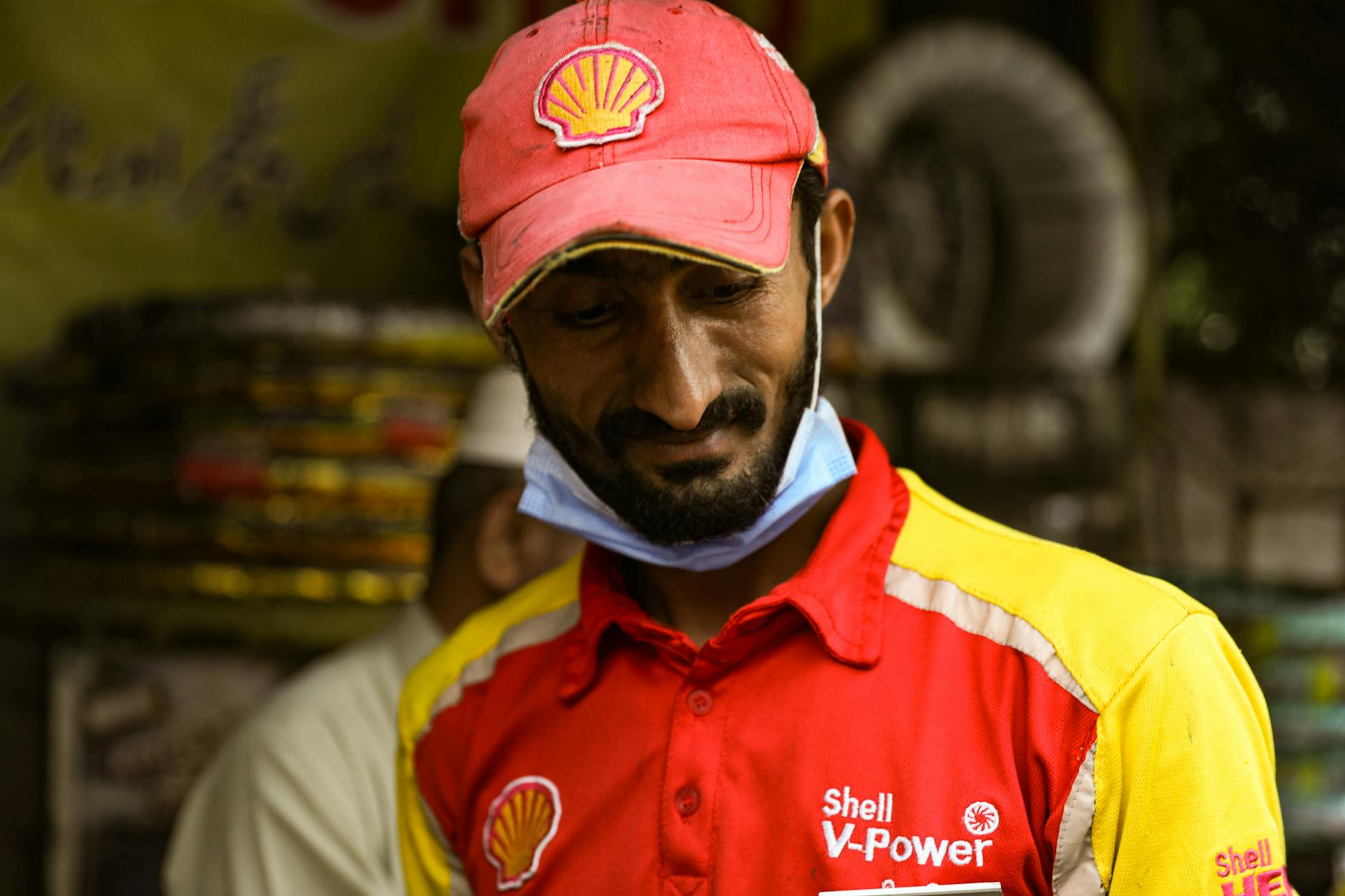
Getting your team into shirts with your company logo is one of the smartest branding investments a business can make. Whether you’re outfitting a sales team heading to a trade show in Melbourne, kitting out new staff at a Sydney corporate office, or preparing uniforms for a Brisbane retail operation, branded shirts deliver consistent, professional visibility every single day they’re worn. Unlike a digital ad that disappears after a few seconds, a well-made logo shirt keeps working — at client meetings, in the warehouse, on a flight, at a coffee shop. The challenge, of course, is knowing how to get it right. From choosing the right shirt style to selecting the best decoration method, there’s more to consider than most people realise. This guide walks you through everything you need to know before placing your order.
Why Shirts With Company Logo Are a Cornerstone of Business Branding
There’s a reason branded workwear has remained one of the most consistently ordered promotional products in Australia year after year. It’s remarkably effective — and surprisingly versatile.
For corporate teams, logo shirts create a unified appearance that communicates professionalism and team cohesion. For customer-facing staff, they make your team immediately identifiable, reducing confusion and improving the customer experience. For tradespeople and field workers, branded shirts establish credibility on-site before a single word is spoken.
Beyond functionality, there’s a real brand awareness dimension here. A study published by the Promotional Products Association International found that wearable promotional items generate more impressions per dollar than almost any other form of advertising. In practical terms: a staff member wearing your branded polo to a client visit in Perth, stopping for lunch in the CBD, and then catching the train home has exposed your logo to dozens of people — all for the cost of a single shirt.
The key is ensuring the shirt looks good enough that people actually want to wear it. That’s where product selection matters enormously.
Choosing the Right Shirt Style for Your Brand
Not all shirts are created equal, and the style you choose should reflect your brand identity, your industry, and how and where your team will be wearing them.
Polo Shirts
Polo shirts are the most popular choice for corporate branded apparel in Australia. They strike the ideal balance between professional and practical — smart enough for client-facing roles, comfortable enough for long shifts, and suitable across a wide range of industries from real estate to hospitality to healthcare. They’re also one of the most versatile canvases for decoration methods like embroidery and heat transfer, which tend to look especially polished on polo fabric.
Look for options in performance fabrics (polyester blends or moisture-wicking materials) if your team is working outdoors or in physically active roles. Cotton-rich polars work well in office or retail environments.
T-Shirts
Custom t-shirts are a go-to for events, conferences, staff activations, and industries with a more casual brand personality. A Gold Coast tourism operator or a Byron Bay surf brand might lean heavily on t-shirts over polars, and rightly so. T-shirts also tend to offer more surface area for bold graphic designs and are generally more budget-friendly, particularly for large event orders.
If you’re exploring screen printing for your event shirts, our guide to screen printing for t-shirts covers everything from artwork setup to ink options and turnaround times.
Button-Up and Dress Shirts
For corporate environments where appearance standards are high — think financial services firms in the Sydney CBD, government departments in Canberra, or professional services firms across Melbourne — a custom button-up or dress shirt may be the right call. These are typically embroidered on the chest with a smaller, refined logo rather than a large print, and they project a more formal brand image.
Hi-Vis Shirts
Trades, construction, mining, logistics, and site management teams across Western Australia, Queensland, and the Northern Territory will almost always require AS/NZS compliant hi-vis workwear. Branded hi-vis shirts can be customised with your logo while meeting strict safety standards. Learn more in our overview of branded hi-vis workwear for Australian businesses.
Decoration Methods: What Works Best for Shirts With Company Logo
Once you’ve chosen your shirt style, the next decision is how your logo will actually be applied. The right decoration method depends on your design, the fabric, the quantity you’re ordering, and your budget.
Embroidery
Embroidery is the premium option for shirts with company logos. It creates a textured, three-dimensional finish that looks sharp on polos, dress shirts, and business casual styles. It’s durable — surviving hundreds of washes without fading — and it carries a perceived quality that screen printing can’t quite match for corporate contexts.
The trade-off is cost. Embroidery is priced by stitch count, so complex, highly detailed logos with many colours can become expensive. Simple text-and-icon logos tend to work best. If your logo has very fine lines or gradient elements, you’ll need to discuss digitisation options with your decorator.
Screen Printing
Screen printing is the most cost-effective option for larger quantities — typically 50 shirts or more. It delivers bold, vibrant colour reproduction and works well for t-shirts, casual shirts, and workwear. Each colour requires a separate screen (and usually a separate setup fee), so designs with fewer colours keep costs down.
For events, trade shows, and staff uniforms in casual industries, screen printing is hard to beat on value. Check out our comparison of embroidery versus screen printing to help decide which suits your project.
Heat Transfer and Digital Printing
Heat transfer and direct-to-garment (DTG) digital printing are excellent options for complex, full-colour logos, photographic designs, or smaller runs where screen printing setup costs would be prohibitive. They’re increasingly popular for one-off shirts, small team orders (under 20 pieces), and conference merchandise where every attendee shirt might carry a slightly different name or role.
Sublimation
Sublimation printing works best on 100% polyester fabrics and allows for full, edge-to-edge colour coverage — ideal for sports teams, activewear, and events where you want a striking all-over design. It’s not suitable for natural fibres like cotton.
Understanding MOQs, Setup Fees, and Turnaround Times
Before you finalise your order, it’s worth getting clear on a few practical realities of the branded apparel process.
Minimum Order Quantities (MOQs): MOQs vary significantly by decoration method and supplier. Screen printing typically requires a minimum of around 25–50 shirts, while embroidery can sometimes be done in smaller runs of 6–12 pieces. If you need just a few shirts — say, a Hobart boutique ordering 5 custom shirts for their team — heat transfer or DTG printing may be your most accessible route.
Setup Fees: Most decoration methods involve one-time setup charges — screen setup fees for screen printing, digitisation fees for embroidery. These are typically charged per colour or per design element. For ongoing orders with the same logo, you may avoid re-paying these costs once the setup is already done.
Turnaround Times: Standard turnaround for branded shirts in Australia is generally 10–15 business days from artwork approval. Rush orders are available from many suppliers at a premium, but if you’re ordering for a specific event or conference, always build in extra lead time. A rule of thumb: add at least five business days of buffer to your expected delivery date, especially if you’re ordering across states.
For a deeper breakdown of what to expect during the process, our guide to ordering branded apparel for the first time is a helpful starting point.
Budgeting for Your Branded Shirt Order
Cost varies widely depending on shirt quality, decoration method, quantity, and number of logo colours. Here’s a rough framework:
- Basic t-shirts with screen printing in runs of 50+: typically $15–$30 per shirt depending on quality and number of colours
- Polo shirts with embroidery in runs of 24+: typically $30–$55 per shirt depending on fabric quality and stitch count
- Hi-vis workwear with embroidery or print: $35–$70+ depending on compliance ratings and decoration complexity
- Setup fees: $50–$150 per colour/screen or $50–$100 for embroidery digitisation (usually a one-time cost)
These are indicative ranges only — always request a formal quote based on your specific requirements. Read our tips on budgeting for branded merchandise orders for a more detailed planning guide.
One important note: resist the temptation to always go with the cheapest shirt. Poorly made shirts wear out quickly, don’t hold decoration as well, and reflect badly on your brand. Spending an extra few dollars per shirt to get a quality garment is almost always worth it.
Artwork and Colour Matching: Getting Your Logo Right
Your supplier will need print-ready artwork to produce your shirts accurately. Ideally, this means a vector file (AI, EPS, or high-resolution PDF) rather than a JPEG or PNG. If you only have a low-resolution logo, discuss this with your supplier early — many can assist with artwork conversion for a small fee.
For colour accuracy, ask about PMS (Pantone Matching System) colour matching. This is especially important for brands with strict colour guidelines — the difference between your corporate navy and a generic dark blue can matter a great deal on finished garments. Most reputable decorators can PMS match for screen printing and embroidery threads. Our guide to PMS colour matching for promotional products explains the process in plain terms.
Always request a physical sample or digital proof before approving a full production run. This is your opportunity to catch any issues before they’re applied to your entire order.
Conclusion: Key Takeaways for Ordering Shirts With Company Logo
Ordering shirts with your company logo is a significant investment in your brand’s visibility and your team’s professional image. Done well, it pays dividends every time your shirt is worn.
Here are the key points to carry with you into your next order:
- Choose a shirt style that suits your brand and your team’s environment — polars for corporate and customer-facing roles, t-shirts for events and casual brands, hi-vis for safety-critical workplaces
- Match your decoration method to your design and quantities — embroidery for premium corporate polish, screen printing for large event runs, heat transfer or DTG for smaller or more complex orders
- Plan ahead on MOQs and lead times — most standard orders require 10–15 business days, so build in buffer time especially for deadline-sensitive projects
- Invest in shirt quality — a well-made garment that holds its decoration and looks great after repeated washing does far more for your brand than a cheap alternative that deteriorates quickly
- Provide print-ready artwork and confirm colour matching — request a proof before approving production, and always specify PMS colours if brand accuracy matters
Whether you’re a growing Adelaide startup equipping your first team, or a large Darwin organisation refreshing your corporate wardrobe, getting your shirts with company logo right starts with asking the right questions before you place your order.